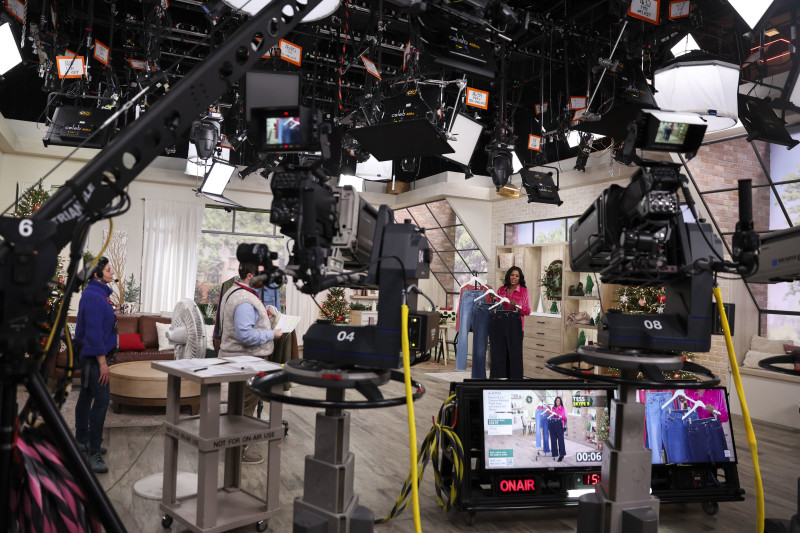
In the fluorescent glare of QVC Group's Texas headquarters, a somber mood hung heavy on April 15, 2026. The iconic home-shopping network, a staple for millions of viewers, announced it would file Chapter 11 bankruptcy as early as the next day, marking a dramatic turn in its 39-year history. This announcement, made just as the sun set on a day of speculation and tension, came as the company struggled to manage a staggering $6.6 billion in debt and a steady decline in television viewership, both symptomatic of a broader shift in consumer behavior.
The Debt Crisis That Led to QVC Group’s Bankruptcy Filing
The road to QVC Group’s bankruptcy filing began long before the announcement. According to the company’s 2025 annual report, the home-shopping giant has been grappling with a heavy debt burden and a significant drop in viewership. The company’s debt, which now stands at $6.6 billion, includes $2.9 billion in debt balances due as early as October 2026. The company’s financial troubles were compounded by a decline in viewership, a trend exacerbated by the rise of e-commerce and the widespread adoption of streaming services.
QVC Group's financial struggles are further complicated by the fact that they are facing a significant debt load, which includes a $2.9 billion debt balance due in October 2026. This financial strain, combined with the decline in television viewership, has left the company on the brink of bankruptcy. The company’s financial troubles have been exacerbated by the rise of e-commerce and streaming services, which have changed the way consumers shop and consume content. This shift in consumer behavior has left QVC Group, which relies heavily on television viewership, struggling to stay afloat.
QVC’s Last-Ditch Effort: Restructuring and Debt Overhaul
The company's decision to file for Chapter 11 bankruptcy is a strategic move aimed at restructuring its debt and potentially saving the business. Chapter 11 bankruptcy allows companies to reorganize their debt while continuing to operate. This process can involve negotiating with creditors to reduce debt, selling off assets, and restructuring the company’s operations. The company has already begun discussions with creditors regarding a potential restructuring of its debt.
The company’s announcement has raised questions about the future of the home-shopping giant. Despite the challenges, QVC Group remains optimistic that the bankruptcy filing will provide the company with the necessary tools to restructure its debt and emerge as a stronger, more competitive business. The company’s announcement has also sparked speculation about the future of the home-shopping industry as a whole. With the rise of e-commerce and streaming services, the future of home-shopping networks like QVC and HSN remains uncertain.
QVC Group's decision to file for Chapter 11 bankruptcy protection is a significant moment in the evolution of the home-shopping industry. The company's announcement has sparked a wave of speculation and concern, as the future of the home-shopping giant and the broader industry remains uncertain. However, the company's decision to seek bankruptcy protection is a strategic move aimed at restructuring its debt and potentially saving the business. QVC Group's bankruptcy filing is a stark reminder of the challenges facing traditional retailers in the digital age, and a testament to the resilience and adaptability of the home-shopping industry.
QVC Group’s Bankruptcy Filing: A Turning Point for the Home-Shopping Industry
The bankruptcy filing represents a significant turning point for the home-shopping industry, which has long been a fixture in American retail culture. The rise of e-commerce and streaming services has changed the way consumers shop and consume content, leaving traditional retailers like QVC Group struggling to keep up. However, the company's decision to file for Chapter 11 bankruptcy could provide a roadmap for other struggling retailers looking to restructure their debt and adapt to the changing consumer landscape.
QVC Group's bankruptcy filing is just the latest in a series of developments that have signaled a shift in the home-shopping industry. As the company navigates the complexities of Chapter 11 bankruptcy, it will be closely watched by industry analysts and consumers alike. The outcome of the company's bankruptcy proceedings will have far-reaching implications for the home-shopping industry, as well as for the broader retail sector.
“The company's decision to file for bankruptcy is a strategic move aimed at restructuring its debt and potentially saving the business,” said an industry analyst.
As QVC Group prepares to file for Chapter 11 bankruptcy , the future of the home-shopping industry remains uncertain. The company's decision to seek bankruptcy protection is a stark reminder of the challenges facing traditional retailers in the digital age. However, it is also a testament to the resilience and adaptability of the home-shopping industry, as it continues to evolve and adapt to the changing consumer landscape. With the outcome of the bankruptcy proceedings still uncertain, it remains to be seen whether QVC Group will emerge as a stronger, more competitive business or whether it will be forced to close its doors for good.