In the grand theater of American politics, where every decision is scrutinized and every move analyzed, the stage is set for a legal drama that involves the construction of an ambitious project in the heart of Washington, D.C. At the center of this controversy is Judge Richard Leon, whose recent rulings have sent shockwaves through the halls of power, halting a $400 million White House ballroom construction project and igniting debates about presidential authority and the separation of powers .
Judge Leon's Ruling: A Legal Showdown
The construction project proposed by President Donald Trump has been met with a series of legal challenges. In a pivotal ruling last year, U.S. District Judge Richard Leon issued a preliminary injunction, asserting that "no statute comes close to giving the President the authority to build a ballroom in the White House without Congress's approval" . This decision effectively halted the project, asserting that Trump's executive power does not extend to such large-scale construction without congressional oversight. Leon's ruling underscored the delicate balance of power between the executive and legislative branches, setting a precedent that could impact future presidential projects and the boundaries of executive authority .
The Legal Landscape: Judge Leon and Presidential Authority
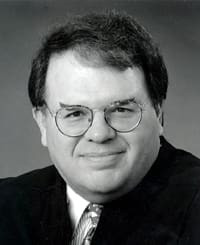
Judge Richard Leon was appointed by former President George W. Bush and has a reputation for his meticulous rulings. His decision to limit the construction of the White House ballroom to "below-ground construction" until proper authorization is secured reflects a deep dive into constitutional and legal intricacies . The ruling highlighted the potential misuse of executive power and the necessity for congressional involvement in such significant endeavors. Judge Leon's ruling has been hailed as a critical check on presidential overreach, emphasizing the importance of adherence to legal and constitutional frameworks .
Leon's clarification in subsequent rulings further solidified his stance, explicitly prohibiting the construction of the ballroom until Congress authorizes it. This decision underscores the significance of separation of powers and the need for checks and balances in governance. The ruling’s implications extend beyond the White House, influencing how future presidents might approach large-scale projects, especially those involving national security or public funds.
The legal standoff between the Trump administration and Judge Richard Leon's rulings underscores the importance of adhering to constitutional and legal frameworks in governance. Leon's decision to halt the construction of the White House ballroom serves as a crucial reminder of the checks and balances necessary to maintain the integrity of democratic institutions.
As the legal battle continues, the ballroom construction saga remains a focal point in the ongoing debate about presidential authority and the role of the judiciary in shaping national policies. The intricate interplay of political will and legal constraints creates a tense atmosphere, one that will likely resonate long after the construction dust settles.