Evacuations in Pacific, Washington: The White River Levee Crisis
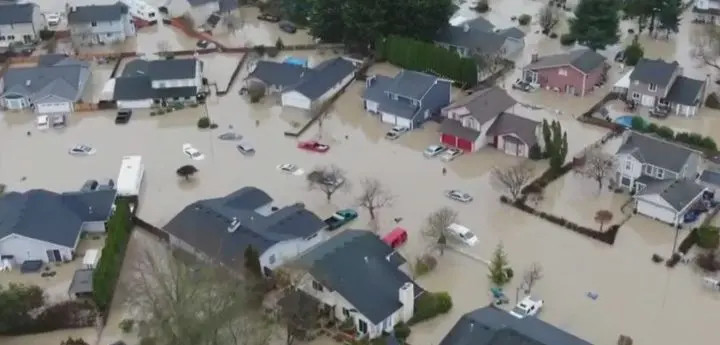
The picturesque town of Pacific, Washington, is grappling with a crisis as a levee on the White River failed early Tuesday, prompting Level 3 "Go Now" evacuation notices for residents near 3rd Avenue Southeast and Butte Road. This event has raised significant concerns about the fragile balance between urban development and natural river dynamics in the region. The White River, a glacial river flowing about 75 miles from Mount Rainier, is a vital waterway that joins the Puyallup River at Sumner.
Located south of Seattle, Pacific, Washington, is nestled in the White River Watershed, an area that encompasses rural south King County and includes the land where surface water flows into the White River and its tributaries. The White River's journey begins at the Emmons Glacier on Mount Rainier and flows through a series of landscapes, including the Mud Mountain Reservoir and Dam, eventually emptying into the Puyallup River. The river's path is not only a natural marvel but also a critical part of the region's ecosystem and water management strategy.
Pacific, Washington, is not the only region affected by the White River's dynamics. The river's impact extends through King and Pierce counties, forming part of the Water Resource Inventory Area 10 (WRIA10), which is one of sixty-two watershed planning areas in the state. This designation underscores the river's importance in regional water management and conservation efforts, which are critical for maintaining the delicate balance between human development and environmental sustainability.
The White River also plays a pivotal role in the Pacific Right Bank Flood Protection project, a significant initiative aimed at mitigating flood risks in the city of Pacific. This project, located on the right bank floodplain of the White River, extends from the BNSF Railway south to the King-Pierce County boundary line. The project's importance is amplified by the recent levee failure, highlighting the ongoing challenges in flood management and the need for robust infrastructure to protect communities from natural disasters.
With the recent levee failure, the focus has shifted to the immediate safety of residents and the long-term strategies needed to prevent such incidents. The White River's complex interplay with the Greenwater River, Mud Mountain Reservoir, and the Puyallup River highlights the interconnectedness of the region's water systems. This interconnectedness necessitates a comprehensive approach to water management, ensuring that all aspects of the watershed are considered in any protective measures.
As Pacific, Washington, navigates this crisis, the community's resilience and the region's commitment to environmental stewardship will be tested. The recent events underscore the need for continuous monitoring, innovative solutions, and community engagement to address the challenges posed by the White River. The town's future will depend on how effectively it can balance development with the natural forces that have shaped the landscape for centuries.
How does this story make you feel?
 Up next · WorldNavigating the Storm