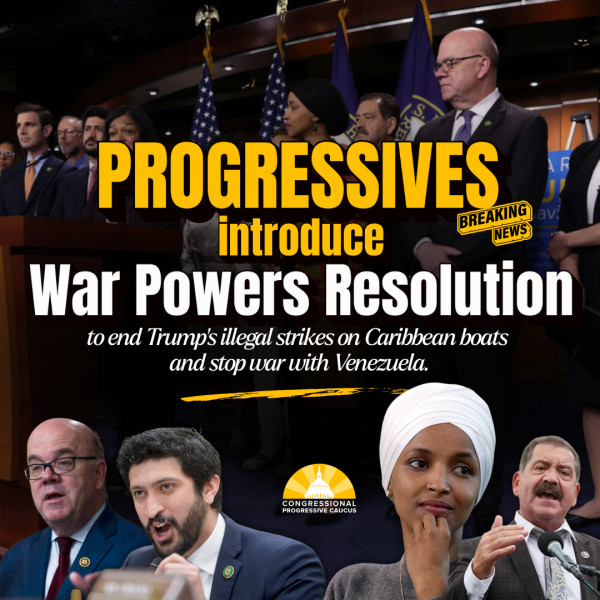
The political landscape in the United States has been significantly shaped by the evolving tensions with Venezuela, culminating in an intense debate over the War Powers Resolution concerning military actions against the South American nation. The escalating tensions have prompted bipartisan efforts to reassert Congressional authority over military interventions, particularly in light of President Trump's recent aggressive posturing. The War Powers Resolution is a critical tool for Congress to maintain oversight and control over the executive branch's military actions, ensuring that any potential conflict with Venezuela does not escalate without proper authorization.
The recent introduction of a War Powers Resolution by a bipartisan group of senators, including Democrats and Senator Rand Paul (R-Ky.), underscores the gravity of the situation. This resolution aims to prevent the U.S. from engaging in hostilities with Venezuela without explicit congressional approval, a move that reflects growing concerns about the potential for a military conflict. The resolution is a direct response to the significant augmentation of U.S. armed forces assets, personnel, and operations near Venezuela, as well as public statements from U.S. officials indicating plans for ground strikes within the country. This escalation has triggered urgent calls for Congress to reassert its constitutional role in matters of war and peace.
Congress's efforts to force a War Powers vote come amid escalating tensions with Venezuela, where President Trump has warned of potential land strikes against the country. The House of Representatives is set to vote on two resolutions that aim to block the President's aggressive actions. One of the resolutions, sponsored by Rep. Gregory Meeks (D-NY), seeks to prevent the President from engaging in deadly air operations in Venezuela without congressional approval. This move is part of a broader effort by House Democrats to ensure that any military action against Venezuela is undertaken only with the explicit backing of Congress, a principle that has been a cornerstone of the U.S. political system for decades.
Despite these efforts, the Senate recently voted down a War Powers resolution aimed at blocking continued U.S. strikes on alleged drug-carrying boats off the coast of Venezuela. This vote, held under the War Powers Act, highlights the intense political divisions surrounding the issue. The vote was a setback for those advocating for stricter congressional oversight of military actions, but it does not negate the ongoing efforts to rein in executive power. The failure of the Senate to block the war powers resolution before going on vacation has left many lawmakers frustrated, as they squandered their last chance to prevent a potential regime-change war against Venezuela.
Lawmakers are now focused on the imminent vote on measures under the War Powers Resolution, which would make clear that the President does not have congressional authorization to engage U.S. Armed Forces in hostilities against Venezuela. This vote is expected to be a pivotal moment in the ongoing debate about the balance of power between the executive and legislative branches, particularly in matters of national security and foreign policy.