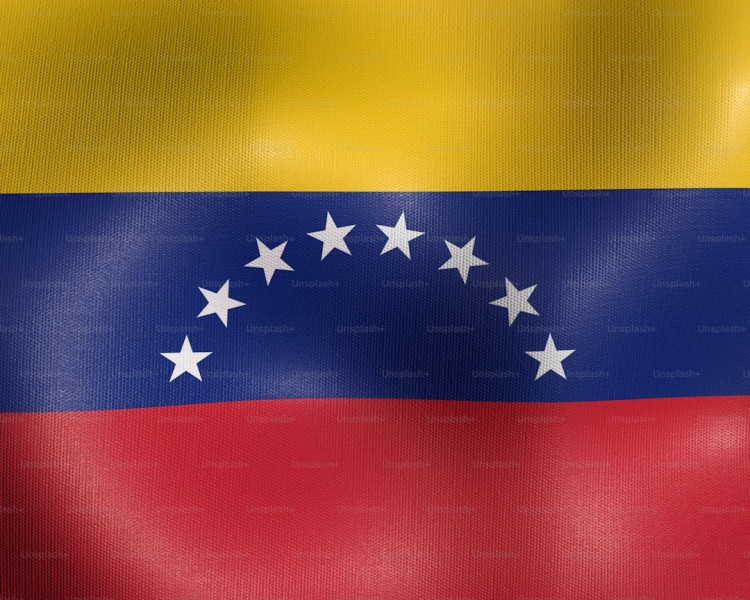
In a significant move that has sent ripples through the international community, former U.S. President Donald Trump announced a total and complete blockade of sanctioned oil tankers entering and leaving Venezuela. This dramatic escalation comes as part of a broader strategy to exert pressure on the Venezuelan government, led by Nicolas Maduro.
Trump's announcement, made through Truth Social on December 18, 2025, orders a “complete and total” blockade of any sanctioned oil tankers moving in and out of Venezuela. This move is part of a series of actions aimed at isolating the Maduro regime, which the U.S. has designated as a foreign terrorist organization. The designation underscores the U.S. government's view that Maduro's administration poses a significant threat to regional stability and security.
The blockade announcement has triggered a range of reactions, with some analysts predicting a potential rise in oil prices and increased geopolitical tensions. The Venezuelan government has responded to Trump's move with defiance, claiming that the U.S. is attempting to undermine the country's sovereignty and economic independence.
Venezuela's President, Nicolas Maduro, has condemned the blockade as a "grotesque threat" aimed at destabilizing his government. Maduro has vowed to continue Venezuela’s oil trade despite the blockade, asserting that the country will find alternative ways to maintain its economic activities.
In response to the heightened tensions, Venezuela's Navy has started escorting ships as a precautionary measure against potential U.S. actions. This move is seen as a defensive measure to safeguard the country's maritime interests in the face of the U.S. blockades.
The blockade is part of a broader U.S. strategy to isolate the Maduro regime, which includes sanctions and diplomatic pressure. The U.S. has previously seized sanctioned oil tankers off the coast of Venezuela, aiming to disrupt the flow of oil and weaken Maduro's economic base.
However, despite the blockade, energy and geopolitical risk analyst Bob McNally suggests that about two-thirds of Venezuela's oil exports will still travel unhindered. This indicates that while the blockade may cause disruption, it may not be as effective as intended.
As the world watches this unfolding geopolitical drama, it remains to be seen how the blockade will impact Venezuela's economy and its relationship with the international community. The blockade could potentially escalate tensions, but it also provides an opportunity for diplomatic efforts to resolve the ongoing conflict.
The question of whether this move will lead to a war with Venezuela is still uncertain. While the U.S. has taken aggressive steps, it has not yet engaged in direct military action. Instead, the focus has been on economic and diplomatic pressure. However, the potential for further escalation remains a concern, as both sides appear to be digging in their heels.
In conclusion, Trump's announcement of a complete blockade of sanctioned oil tankers in and out of Venezuela marks a significant escalation in the ongoing geopolitical tensions between the U.S. and Venezuela. The move has sparked a range of reactions, from sharp criticism to cautious optimism about its potential impact. As the situation continues to evolve, it is crucial to stay informed about the latest developments and their implications for both countries and the broader international community.