Winter Solstice 2025: The Shortest Day and Longest Night
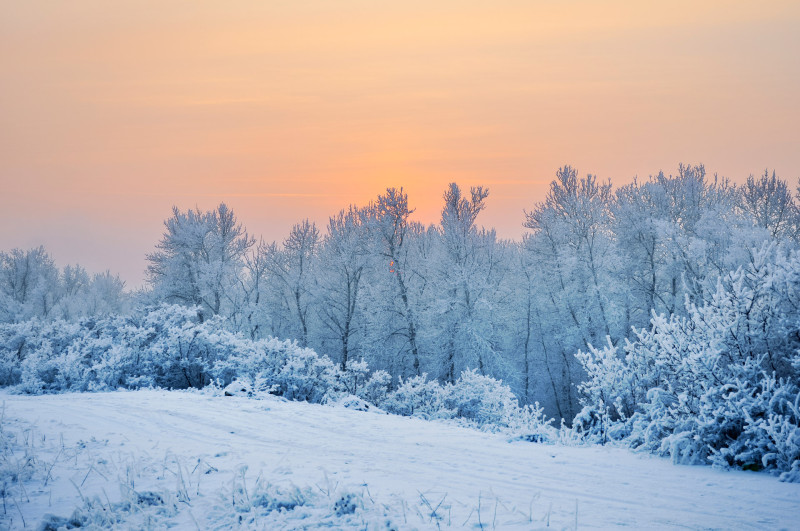
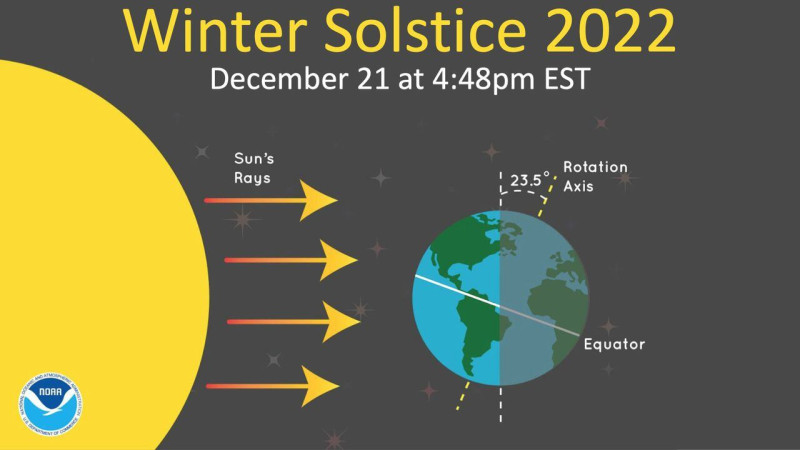
As the calendar marks December 21, 2025, the Northern Hemisphere is experiencing the **winter solstice**—a day that brings the shortest period of daylight and the longest night of the year. This astronomical event is more than just a date on the calendar; it marks the official start of **astronomical winter**. Today, the sun reaches its southernmost point in the sky, casting a unique shadow and altering the Earth's tilt, which affects the amount of daylight we experience.
For those living north of the equator, today's **shortest day of the year** is a moment to appreciate the changing seasons and the cycle of the Earth's journey around the sun. However, it is essential to note that in the Southern Hemisphere, today marks the **longest day of the year**, highlighting the contrasting seasonal experiences across the globe.
As we delve deeper into the significance of the winter solstice, it's fascinating to explore the astronomical factors that contribute to this phenomenon. The Earth's axial tilt, which is approximately 23.5 degrees, is the primary reason the sun's position in the sky varies throughout the year. This tilt causes the Northern Hemisphere to experience fewer hours of daylight during the winter months, resulting in the shortest day at the winter solstice.
The timing of the winter solstice can vary slightly each year, but in 2025, it falls on December 21, aligning with the Earth's position in its orbit around the sun. The solstice marks the astronomical start of winter, although meteorological winter, as defined by climate patterns, typically begins on December 1. The solstice also brings the earliest sunset and the latest sunrise, though these events do not precisely align with the solstice date. In most locations, the earliest sunset occurs a few days before the solstice, and the latest sunrise happens several days after.
The winter solstice has been a significant event throughout human history, celebrated by various cultures around the world. From ancient civilizations to modern-day communities, this day has been marked with rituals, festivals, and traditions that honor the changing seasons and the power of the sun. Today, as we experience the shortest day of the year, we can take a moment to appreciate the natural beauty and the intricate balance of our planet's orbit and tilt, which bring about the solstice and the changing of the seasons.
How does this story make you feel?
 Up next · ScienceIs Today the Shortest Day of the Year? Winter Solstice 2025