Embracing the Winter Solstice: Traditions and Significance
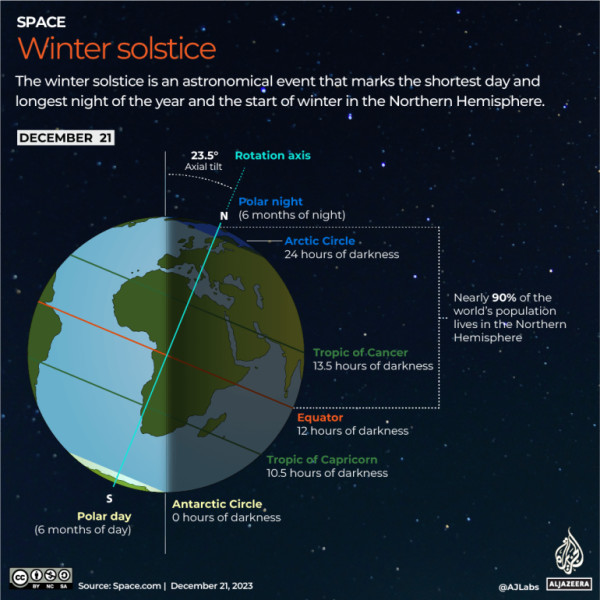
Today marks the Winter Solstice, the shortest day of the year and the longest night, a pivotal moment in the calendar when the sun reaches its southernmost point in the Northern Hemisphere. This astronomical event has been celebrated for centuries across various cultures, each with its unique traditions and rituals that honor the return of longer days and the promise of spring.
As we delve into the significance of the winter solstice, it's essential to understand that it signifies the start of winter, a period marked by cold and darkness. For many ancient civilizations, the winter solstice was a time of reflection and celebration, as it symbolized the rebirth of the sun and the gradual increase in daylight. This occurrence is not just a natural phenomenon but a cultural milestone, influencing various holidays and festivals celebrated today.
In many cultures, the winter solstice is celebrated with feasts, fires, and moments of quiet reflection. For instance, in Northern Europe, the tradition of Yule involves lighting a large log, known as the Yule log, to symbolize the return of the sun and the warmth it brings. Similarly, in ancient Rome, the festival of Saturnalia was held around the time of the winter solstice, involving feasting, gift-giving, and role-reversals where slaves would temporarily become masters.
In contemporary times, various traditions and rituals continue to honor the winter solstice. Some people light candles or create beautiful lanterns to symbolize the return of light. Other activities include reading wintery books, making decorations, and participating in pajama parties to create a cozy atmosphere during the longest night. These rituals help us embrace the darkness and cold and find solace in the knowledge that the days will gradually become brighter.
For those interested in incorporating solstice rituals into their celebrations this year, there are plenty of ideas to choose from. Whether it's deconstructing a traditional Bûche de Noël dessert, hosting a cozy pajama party, or engaging in quiet meditation, these activities can make the winter solstice a meaningful and intentional celebration. By honoring the natural rhythms of the season, we can find a deeper connection to the world around us and appreciate the beauty in the cycle of life.
In conclusion, the winter solstice is more than just the shortest day of the year; it is a time of reflection, celebration, and anticipation. As we welcome the return of the sun and the promise of longer days, let us embrace the rich traditions and rituals that have been passed down through generations. Whether through feasts, fires, or quiet moments of introspection, the winter solstice offers a unique opportunity to connect with nature and find meaning in the cycle of the seasons.
How does this story make you feel?
Up next · EntertainmentEmbracing the Darkest Day: Winter Solstice Traditions in 2025