Jim Beam Halts Production: A Strategic Pause for the Bourbon Giant
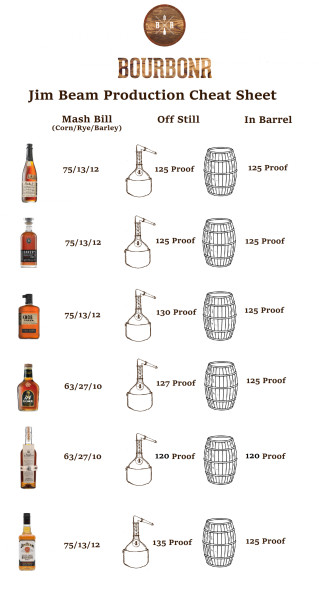
The bourbon world is abuzz with news that Jim Beam, the country's largest producer of bourbon, has announced a one-year pause in production at its flagship distillery in Kentucky. This unexpected move, set to begin on January 1, 2026, has sparked intrigue and speculation within the industry. The decision underscores the complex challenges facing the whiskey market, including tariffs and fluctuating consumer demand.
Jim Beam's decision comes as the bourbon industry navigates a challenging landscape. The company's flagship distillery, located in Clermont, Kentucky, will halt operations for the entire year of 2026. This pause is intended to allow the company to focus on inventory management and potential investments in distillery improvements. The company has cited a significant glut of bourbon, driven by a combination of declining demand and the lingering effects of trade tariffs as key factors in their decision.
The company's pause in production will give Jim Beam the opportunity to reassess its inventory and market strategies. This move is part of a broader industry trend where companies are adjusting to changes in consumer preferences and global market conditions. Jim Beam's decision also highlights the strategic importance of managing production in response to fluctuating demand and supply chain dynamics.
Jim Beam's pause in production is not just about addressing immediate challenges, but also about positioning the company for long-term success. By taking a proactive approach to inventory management, Jim Beam aims to ensure that its bourbon offerings remain high in quality and value, even in a competitive market. The company's decision to halt production underscores its commitment to sustainable and strategic business practices.
As the industry awaits the outcomes of Jim Beam's strategic pause, the company's decision serves as a reminder of the dynamic nature of the spirits market. The bourbon industry's future is shaped by a complex interplay of factors, including consumer trends, trade policies, and strategic investments. Jim Beam's move is a testament to the company's adaptability and foresight in navigating these challenges, setting a precedent for other distilleries to follow suit and reassess their own production strategies.
How does this story make you feel?
 Up next · BusinessYour Guide to Costco Hours and Other Major Retailers