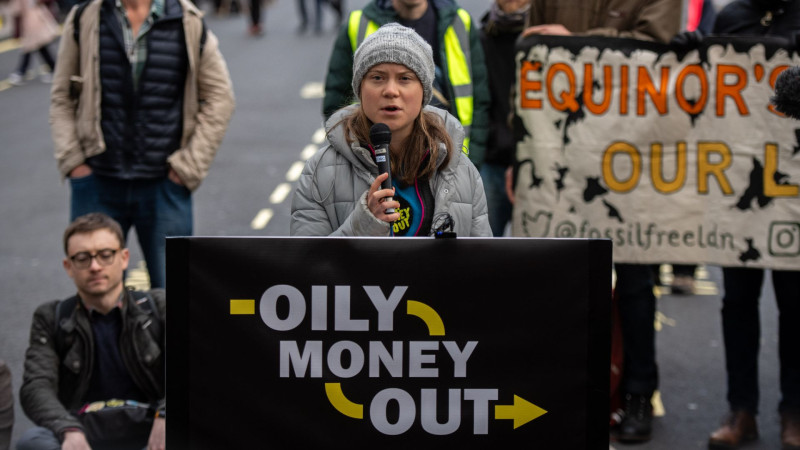
Greta Thunberg, the Swedish environmental activist, has been a polarizing figure since her ascent to global prominence. As of 2025, Thunberg remains a central figure in the climate change debate, her influence extending far beyond her role as a youth activist. This year has seen her continue to advocate for urgent climate action, but not without facing significant challenges and criticism.
Thunberg's journey began in 2018 when she started skipping school to protest outside the Swedish Parliament, demanding more aggressive action on climate change. Her "School Strike for Climate" movement quickly gained traction, inspiring millions of young people worldwide to join her cause. However, her uncompromising stance and direct criticism of world leaders have made her a controversial figure. Recently, Thunberg has not shied away from using her platform to challenge those she believes are not doing enough to address the climate crisis. Her blunt language and refusal to back down have garnered both admiration and criticism, making her one of the most talked-about figures of the decade.
Thunberg's impact on climate activism is undeniable. She has been instrumental in raising awareness about the urgency of climate change and has pushed governments and corporations to take more significant steps towards sustainability. Her speeches at the United Nations and other international forums have been particularly impactful, often serving as a wake-up call for world leaders. In 2025, her efforts have continued to inspire a new generation of activists, who are increasingly vocal and determined to hold those in power accountable.
One of the most notable events of 2025 was Thunberg's controversial visit to a high-security prison in Sweden. The visit, which was kept under tight security, aimed to bring attention to the environmental conditions faced by prisoners. Thunberg's focus on the environmental impact on incarcerated individuals has shed light on an often-overlooked aspect of environmental justice. By highlighting the challenges faced by prisoners, she has added a new dimension to the climate change conversation, emphasizing the need for a more inclusive approach to environmental policy.
However, Thunberg's visit to the prison has also sparked debate. Critics argue that her actions divert attention from more pressing environmental issues, while supporters see it as a bold move to broaden the scope of climate activism. Thunberg's willingness to engage with a wide range of issues, from climate policy to social justice, has made her a complex and multifaceted figure. Her approach has not only influenced policy discussions but has also reshaped the narrative around environmental activism.
Despite the criticism, Thunberg continues to be a powerful voice in the climate movement. Her persistence and unwavering commitment to her cause have earned her a place among the most influential activists of our time. As we look to the future, Thunberg's legacy will undoubtedly continue to shape the global conversation on climate change. Her journey serves as a reminder that activism, in its purest form, is about challenging the status quo and pushing for a better world.