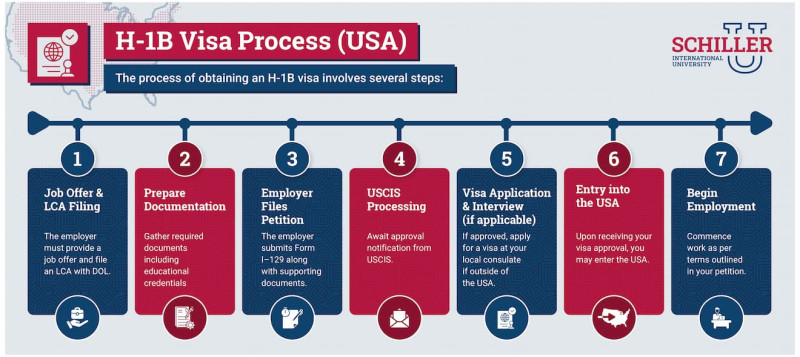
In 2025, the H-1B visa program in the United States is undergoing significant reforms that aim to prioritize higher-skilled and higher-paid workers, while also tightening screening processes to combat potential abuses . The Trump administration has announced a series of changes that will impact both the selection process and the vetting of applicants.
One of the most notable changes is the replacement of the traditional lottery system with a new weighted approach. This new system will favor applicants who possess advanced degrees and command higher salaries. The rationale behind this shift is to ensure that the H-1B visa program benefits American workers by attracting only the most qualified and highly skilled foreign workers . This move is part of a broader effort to reform the immigration system and protect domestic job markets .
In addition to these selection criteria changes, the U.S. Department of State has implemented expanded online presence reviews for all H-1B and H-4 visa applicants. Effective from December 15, 2025, this new policy requires applicants to undergo rigorous social media and online vetting to ensure national security and prevent program abuse . This extensive screening process is expected to cause delays and disruptions for many applicants, particularly those in India, where consulates are rescheduling appointments to comply with the new requirements .
These changes have led to significant disruptions for H-1B applicants, with many facing postponed appointments and delays. For instance, H-1B holders who returned to India to renew their visas have had their consular appointments canceled, leaving them stranded far from their homes and jobs . Legal experts have noted the challenges faced by these individuals, highlighting the need for clearer guidelines and more efficient processing systems .
The H-1B visa program has long been a contentious issue, with critics arguing that it undermines American workers by bringing in cheaper labor from abroad. The recent reforms are designed to address these concerns by ensuring that only the most highly skilled and well-compensated workers are granted visas. While these changes may lead to a more competitive and selective process, they also promise to enhance the integrity of the program and better protect the interests of American workers .