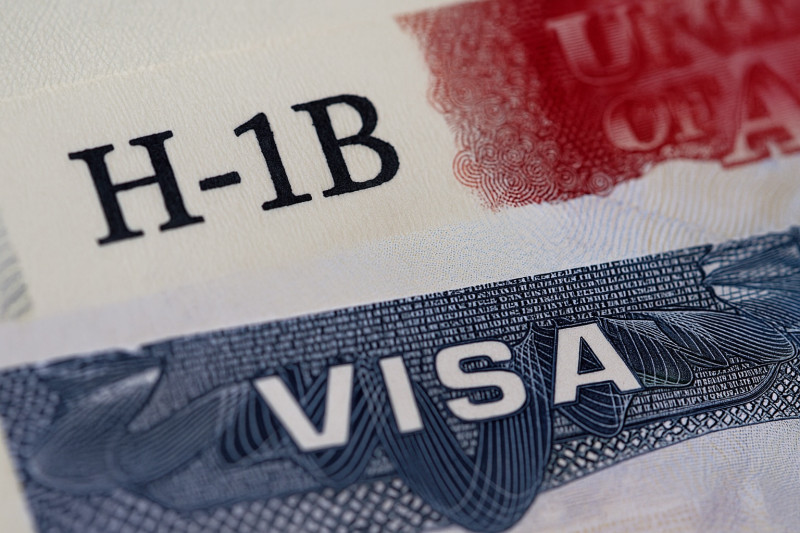
The H-1B visa program has been under intense scrutiny and has undergone significant changes in 2025. The program, designed to allow U.S. employers to hire skilled foreign workers in specialty occupations, has seen a series of reforms aimed at protecting American workers while still attracting high-skilled immigrant workers.
On September 19, 2025, the U.S. Department of Labor launched Project Firewall, an initiative aimed at safeguarding the rights, wages, and job opportunities of American workers by mandating employers to prioritize qualified American candidates and holding those who abuse the system accountable. Concurrently, the U.S. President issued a proclamation restricting the entry of certain nonimmigrant workers, marking a pivotal step toward reforming the H-1B visa program.
The U.S. Citizenship and Immigration Services (USCIS) has also implemented changes to the visa process. One notable change is the introduction of a new fee structure, with a $100,000 fee for employers seeking H-1B visas, which has raised concerns about the financial burden on employers and the potential impact on the availability of skilled labor. Additionally, the USCIS has clarified that unemployed H-1B workers have a 60-day grace period to secure a new job, change their nonimmigrant status, or depart from the U.S., adding a layer of flexibility and security for visa holders.
The new system aims to better attract high-skilled immigrant workers and has introduced significant screening and vetting procedures to identify visa applicants who may be inadmissible. This enhanced scrutiny includes social media checks, a move that has been met with mixed reactions from immigration advocates and employers. The State Department now utilizes comprehensive information in visa screening and vetting to ensure only qualified individuals enter the U.S. under the H-1B program.
Despite these changes, the H-1B visa continues to be a "dual intent" visa, allowing holders to apply for permanent residency while working in the U.S. Employers often support this process by sponsoring green card applications for H-1B employees, providing a pathway to permanent residency for many skilled workers. The electronic registration process for the H-1B visa has also been updated, with the USCIS announcing that the congressionally mandated cap of 65,000 visas and the 20,000 visa exemption for U.S. advanced degree holders have been reached.
The impact of these reforms on the U.S. economy is multifaceted. While the H-1B program has been criticized for potentially displacing American workers and driving down wages, it has also been praised for filling critical gaps in the labor market and contributing to innovation and economic growth. As the program continues to evolve, it remains a focal point for policymakers, employers, and workers alike, shaping the future of skilled labor in the United States.