California Under State of Emergency: Impact and Response
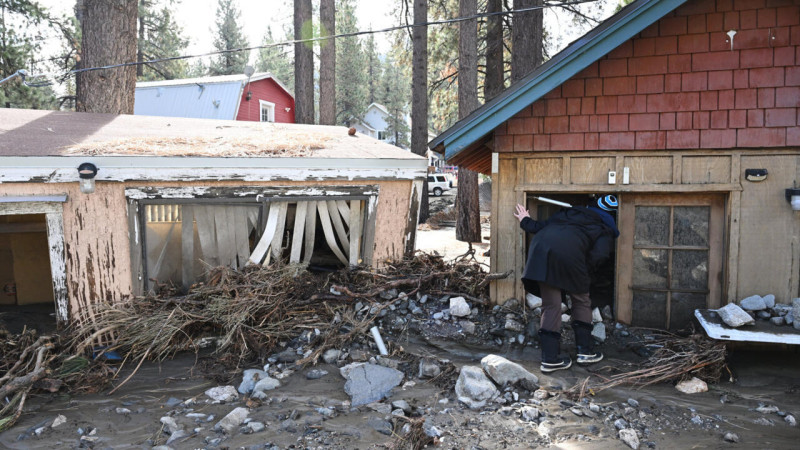
The recent declaration of a state of emergency in several Southern California counties, including San Bernardino, has put the region on high alert. Governor Gavin Newsom's proclamation, issued in response to a series of powerful storms, underscores the severe weather conditions California is currently facing. This emergency declaration unlocks critical resources and state assistance to mitigate the impacts of flooding, landslides, and power outages, which have already contributed to significant disruptions and at least three deaths statewide.
Understanding the context of this declaration requires a look at the broader pattern of severe weather events that have plagued California this year. Earlier in the year, Governor Newsom declared a state of emergency for eight counties due to a variety of severe weather events, including windstorms, which caused widespread damage and necessitated extensive response efforts. The current emergency, affecting counties such as Los Angeles, Orange, Riverside, San Bernardino, San Diego, and Shasta, is part of a broader trend of increasingly intense weather events that are straining the state's resources and infrastructure.
The specific impacts in Wrightwood, California, a small town in San Bernardino County, highlight the localized effects of these storms. Wrightwood, known for its scenic beauty and close-knit community, has been particularly vulnerable to the severe rain and strong winds that have caused significant flooding and landslides. The emergency declaration aims to provide the necessary support to communities like Wrightwood, enabling them to access federal and state resources for recovery and rebuilding efforts.
Governor Newsom's proclamation is part of a broader strategy to preemptively address the risks associated with severe weather. By declaring a state of emergency, the governor mobilizes state agencies to coordinate response efforts, allocate resources, and ensure that communities have the support they need to recover from the storms. This proactive approach allows for a more effective and timely response, which is crucial in mitigating the damage caused by these powerful weather events.
The state of emergency in California is not an isolated incident. Similar declarations have been made in response to other severe weather events, such as the atmospheric rivers that have battered the state in recent years. These events, characterized by intense rainfall and strong winds, have led to widespread flooding and infrastructure damage, necessitating a robust response from state and local authorities.
The impact of these storms extends beyond physical damage, affecting critical infrastructure and essential services. Power outages, road closures, and disrupted transportation networks have created significant challenges for residents and businesses alike. The emergency declaration aims to address these disruptions by mobilizing resources to restore essential services and rebuild damaged infrastructure.
The state of emergency in California serves as a stark reminder of the evolving risks posed by severe weather events. As climate change continues to influence weather patterns, the need for proactive and effective response strategies becomes increasingly critical. Governor Newsom's declaration of a state of emergency for several counties, including San Bernardino, is a necessary step in protecting communities and ensuring their resilience in the face of these challenges.
How does this story make you feel?
 Up next · WorldThe **U.S. Strikes ISIS in Nigeria** in a Pivotal Move Amidst Heightened Tensions