Understanding Snow Squalls and the Importance of Snow Squall Warnings
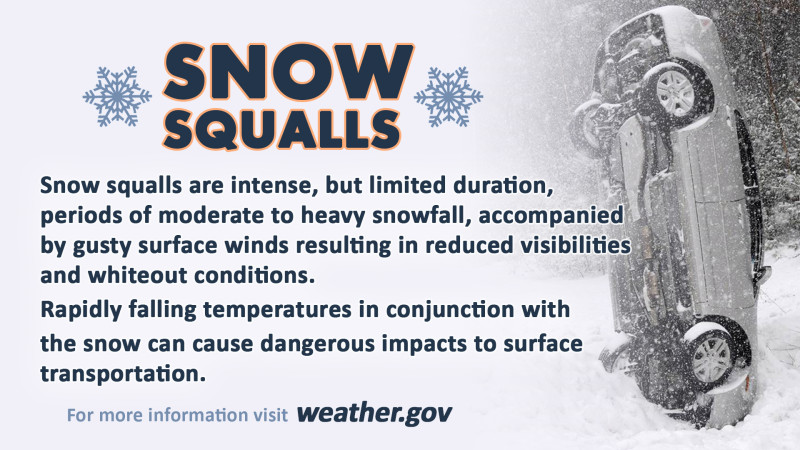
As winter approaches, the weather brings with it a variety of hazards, one of which are snow squalls. These intense, localized weather events can catch drivers and pedestrians off guard, making roads slick and visibility poor in a matter of minutes. Snow squalls are not to be confused with blizzards, which are longer in duration and cover a broader area. Instead, snow squalls are characterized by their sudden onset and short duration, often lasting less than an hour but packing a punch with heavy snow and strong winds.
Snow squalls are defined as brief but intense bursts of heavy snowfall, often accompanied by gusty winds and reduced visibility. These events can lead to immediate whiteout conditions, transforming safe roads into hazardous surfaces in just a few moments. This unpredictability makes snow squalls particularly dangerous for drivers, as they can cause sudden and severe disruptions to travel. Unlike major snowstorms, snow squalls develop quickly and dissipate just as fast, making them difficult to forecast and even more challenging to navigate.
To mitigate the risks posed by snow squalls, the National Weather Service (NWS) issues snow squall warnings. These warnings are designed to be "short-fused" and focused on distinct areas, similar to those for tornadoes and severe thunderstorms. The purpose of a snow squall warning is to alert the public to the immediate danger of reduced visibility and slick roads, allowing for swift action to avoid potential accidents. These warnings are crucial because snow squalls can cause black ice, which is a significant risk factor for vehicle accidents. Drivers are advised to stay alert and avoid travel during these events, as sudden gusty winds can slash visibility to near zero, leading to pileups and other hazardous conditions.
So, what should you do if you find yourself caught in a snow squall? First and foremost, it's essential to stay calm and avoid panic. If you're driving, reduce your speed and use your headlights to increase visibility. If conditions become too hazardous, it may be best to pull over to a safe location and wait for the squall to pass. Remember, snow squalls are typically short-lived, and visibility should improve within a short period. Always be prepared with an emergency kit in your vehicle, including items such as blankets, food, water, and a first aid kit, in case you need to wait out the storm.
How does this story make you feel?
 Up next · ScienceEarthquake Activity in Los Angeles: The Latest Updates and Historical Context