Iran Protests Intensify as Economic Crisis Deepens

The current economic climate in Iran has led to widespread protests and unrest, with citizens voicing their discontent over the rapidly deteriorating financial situation. The Iranian rial, the country’s official currency, has plummeted to a record low, sparking widespread protests and economic instability. The economic crisis has been exacerbated by a significant drop in the value of the rial, with the currency falling from 430,000 to 1.38 million against the U.S. dollar.
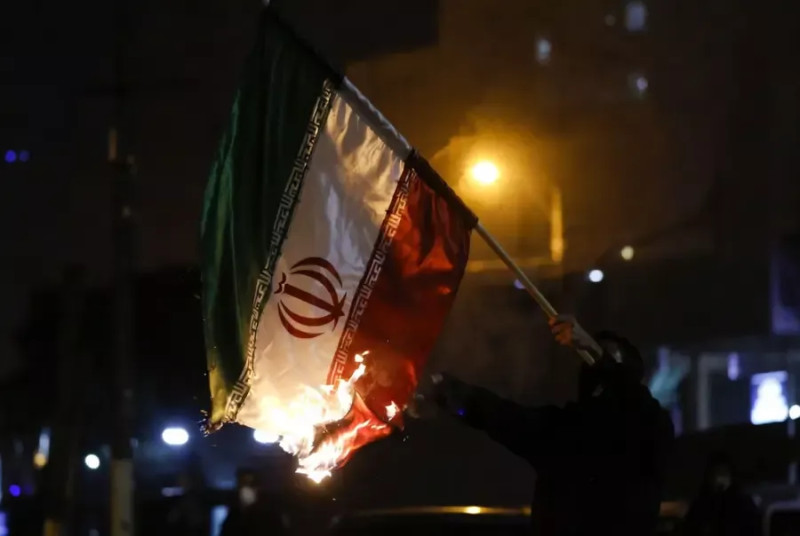
Protests, which are being seen as some of the most significant in the past three years, have spread across multiple cities, including Tehran, with demonstrators expressing their anger over the economic turmoil and the falling value of the rial. The protests have led to clashes between demonstrators and security forces, with the latter using tear gas and other measures to disperse the crowds.
Iran’s Central Bank governor resigned on Monday as the protests intensified, reflecting the severity of the economic crisis and the government's struggles to address it. The resignation comes amidst widespread calls for economic reform and accountability. Despite government efforts to stabilize the economy, many Iranian citizens continue to face hardship, including inflation and a lack of access to basic necessities.
Shopkeepers and traders, who have been particularly affected by the economic crisis, have been at the forefront of the protests, calling for a boycott of businesses and urging others to join their cause. Many have shut their shops in protest, adding to the economic disruption and instability.
The protests have put additional pressure on the already embattled regime, which is struggling to manage the economic fallout and address the growing unrest. As the situation continues to evolve, it remains to be seen how the Iranian government will respond to these challenges and whether it will be able to restore stability. The situation has highlighted the deep-seated issues within the country’s economy and the urgent need for reform.
In summary, the protests in Iran reflect a growing frustration with the economic conditions and the government's handling of the crisis. The collapsing rial, inflation, and widespread economic hardship have fueled the unrest, as citizens demand a change. The resignation of the Central Bank governor and the growing pressure on the regime underscore the severity of the situation and the challenges that lie ahead.
How does this story make you feel?
 Up next · BusinessAre Banks Closed on New Year's Eve? And What About the Stock Market?