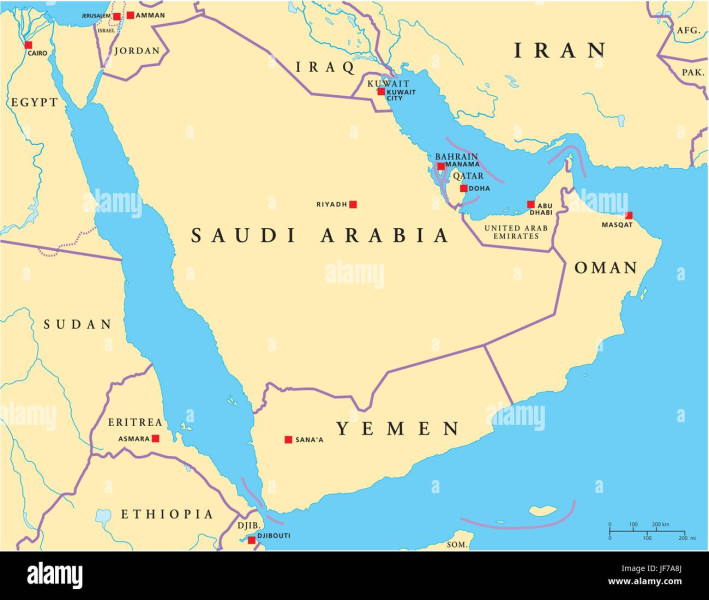
Saudi Arabia and the United Arab Emirates (UAE) are pivotal players in the ongoing conflict in Yemen, a conflict that has resulted in one of the world's worst humanitarian crises. The dynamics of their involvement have been shaped by a myriad of political, economic, and security interests, making the situation in Yemen a complex geopolitical landscape.
The Saudi-led coalition, which includes the UAE, has been involved in Yemen since 2015, initially aimed at restoring the internationally recognized government of President Abdu Rabbu Mansour Hadi. The Saudi Arabia UAE Yemen alliance was driven by a fear of Iran's influence in the region, as the Houthis, a rebel group, are supported by Iran. However, the intervention has resulted in a protracted conflict and a humanitarian catastrophe, with millions displaced and suffering from famine and disease.
Saudi Arabia's involvement in Yemen is primarily motivated by security concerns, particularly the threat posed by the Houthis and the potential for Iran to gain a foothold on the Arabian Peninsula. The UAE, while sharing similar strategic goals, has also seen Yemen as a critical battleground in its regional ambitions. The UAE has deployed significant resources and military power to support the coalition, including the use of advanced weapons and the training of local militias. However, the UAE's strategy has been more nuanced, focusing on local alliances and economic investments to secure its interests in the region.
The conflict has also had significant economic implications for both Saudi Arabia and the UAE. Yemen's strategic location on the Bab al-Mandeb Strait, a crucial shipping route for global oil supplies, has made it a focal point for regional security. The disruption of maritime trade and the potential for further instability in the region pose significant economic risks for both countries, which rely heavily on oil exports. The conflict has also strained relations with the international community, with calls for a cessation of hostilities and a focus on humanitarian aid.
Despite the ongoing conflict, there have been efforts towards peace. The UAE, in particular, has shown a willingness to engage in diplomatic initiatives, including the establishment of a temporary ceasefire and the participation in UN-led peace talks. However, the situation on the ground remains volatile, with periodic flare-ups of violence and a lack of progress in achieving a lasting political solution. The involvement of Saudi Arabia and the UAE in Yemen continues to be a contentious issue, with critics arguing that their actions have exacerbated the humanitarian crisis, while supporters point to their efforts in combating Iranian influence and maintaining regional stability.
In conclusion, the involvement of Saudi Arabia and the UAE in Yemen is a complex and multifaceted issue, driven by a combination of security, economic, and strategic interests. The conflict has had devastating consequences for the people of Yemen and has posed significant challenges for the region. As the international community continues to grapple with the crisis, the actions of Saudi Arabia and the UAE will remain critical in shaping the future of Yemen and the broader Middle East.