Understanding Snow Squalls: A Critical Winter Weather Phenomenon
A winter storm warning system, known as the National Weather Service (NWS), has been implemented to help keep individuals safe during severe winter weather conditions. Snow squalls are one of the most dangerous weather events that can occur during winter, and it is crucial to understand what they are and how to respond to warnings about them. Snow squalls are intense, short-lived bursts of heavy snowfall that can dramatically reduce visibility and create hazardous travel conditions. Understanding the distinction between a snow squall and other winter weather events, such as blizzards, is essential for safety and preparedness.
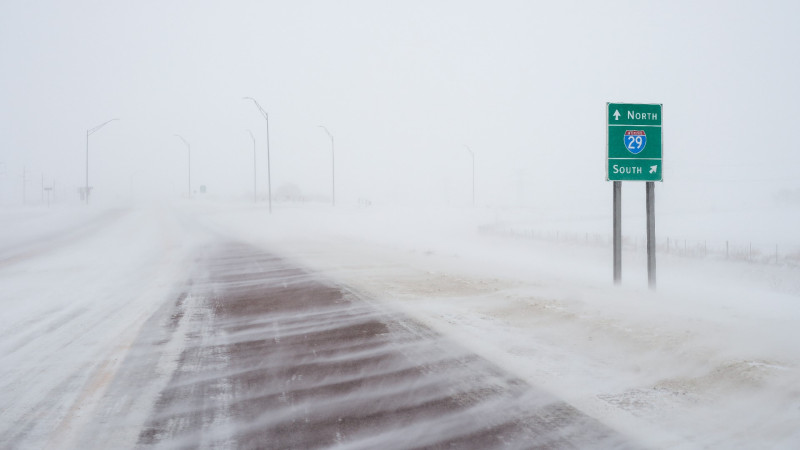
In the United States and Canada, snow squalls are a significant concern for travelers and residents alike. These brief but intense bursts of snowfall can lead to unexpected whiteouts, icy roads, and hazardous travel conditions within minutes, even without large accumulations. Unlike major snowstorms that develop over a longer period, snow squalls arrive quickly and can turn ordinary roads into slick, hazardous surfaces in minutes. The rapid drop in visibility is the key feature of a snow squall, making it particularly dangerous for drivers. The combination of heavy snow and gusty winds creates whiteout conditions, where it becomes very hard to see anything around you.
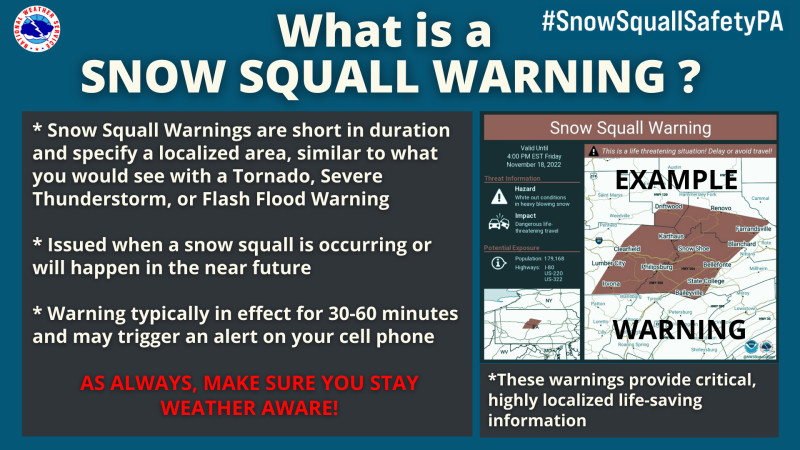
For the NWS, a snow squall warning is a critical alert issued when intense, short-lived bursts of heavy snowfall lead to sudden reductions in visibility and hazardous travel conditions. These warnings are short-fused and focused on distinct areas, similar to tornado and severe thunderstorm warnings. If a snow squall warning is issued for your area, you should avoid or delay motor travel until the squall passes through your location. The purpose of these warnings is to provide critical, highly localized life-saving information.
Snow squall warnings are issued by both Environment Canada's Meteorological Service of Canada and the National Weather Service in the United States. These warnings are distinct from blizzard warnings, which indicate longer periods of heavy snowfall and strong winds. Snow squalls are often associated with lake effect snow squalls and frontal snow squalls, both of which can significantly reduce visibility in blowing snow. The rapid onset and short duration of snow squalls make them particularly hazardous, as they can catch drivers off guard and lead to accidents.
It is essential to stay informed about weather conditions and heed warnings issued by weather authorities. If you are driving or outdoors during a snow squall, it is crucial to be aware of the potential hazards and take appropriate precautions. Avoiding travel during a snow squall warning is the best course of action, as the rapidly changing conditions can make driving extremely dangerous. By understanding what a snow squall is and how to respond to warnings, you can stay safe during winter weather events.
In conclusion, snow squalls are a significant winter weather hazard that can lead to dangerous conditions in a matter of minutes. By understanding what a snow squall is, how it differs from other winter weather events, and how to respond to warnings, you can stay safe and prepared during the winter season. Always stay informed about weather conditions and heed the advice of weather authorities to ensure your safety during winter weather events.
How does this story make you feel?
 Up next · ScienceUnderstanding Snow Squalls and Snow Squall Warnings