Understanding Snow Squalls and Snow Squall Warnings
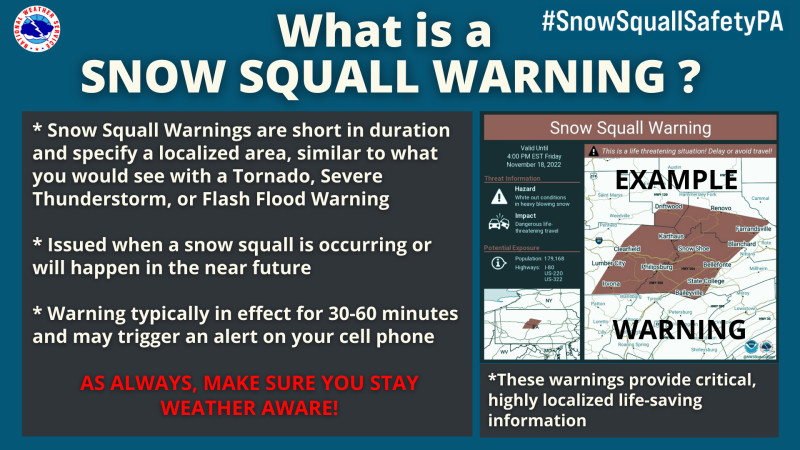
As winter intensifies, weather conditions can take dramatic turns, with snow squalls often catching drivers and residents off guard. These localized but intense bursts of snowfall can create hazardous conditions quickly, making it crucial to understand what a snow squall is, how it differs from other winter storms, and the importance of heeding snow squall warnings.
Snow squalls are distinct from other winter weather events like blizzards. Unlike blizzards, which are prolonged and characterized by strong winds and heavy snowfall, snow squalls are brief but intense. They can cause sudden whiteouts and make roads slippery in a matter of minutes, even without significant snow accumulation. This unpredictability makes snow squalls particularly dangerous, especially for drivers who might encounter them unexpectedly.
A snow squall warning is a critical advisory issued by weather services to inform the public about imminent hazardous conditions. These warnings are short-fused and focused on specific areas, much like tornado or severe thunderstorm warnings. They provide essential, highly localized information designed to save lives.
When a snow squall warning is issued, it's a signal to take immediate action. The National Weather Service advises avoiding or delaying travel until the squall passes. This precaution is crucial because the rapid onset of a snow squall can transform ordinary roads into slick, hazardous surfaces with little warning. By understanding and responding to these warnings, individuals can significantly reduce the risk of accidents and ensure their safety during winter travel.
To stay safe during a snow squall, it's essential to be prepared. This includes staying informed about weather conditions, having an emergency kit in your vehicle, and knowing how to react if you encounter a squall while driving. Keeping a safe distance from other vehicles, reducing speed, and using your headlights can help you navigate through the reduced visibility and icy roads that accompany a snow squall.
In summary, snow squalls are brief but intense bursts of snowfall that can create hazardous conditions. Understanding what a snow squall is and responding to snow squall warnings can help ensure your safety during winter travel. By staying informed and prepared, you can navigate these unpredictable winter weather events with greater confidence and security.
How does this story make you feel?
 Up next · ScienceThe January 2026 Wolf Supermoon: A Spectacular Start to the Year