Tensions between the United States and Venezuela have been escalating since 2024, with the latest developments raising questions about the nature of the U.S. involvement in the country. The recent reports of explosions in Venezuela's capital and the subsequent rumors of U.S. military actions have sparked global interest and concern.
On 30 December 2025, several explosions were reported in Caracas, accompanied by the sound of low-flying aircraft. The exact cause of these explosions remains unclear, but they coincided with heightened tensions between the U.S. and Venezuela. The Venezuelan government has not yet provided an official response to the incidents, leaving speculation rife.
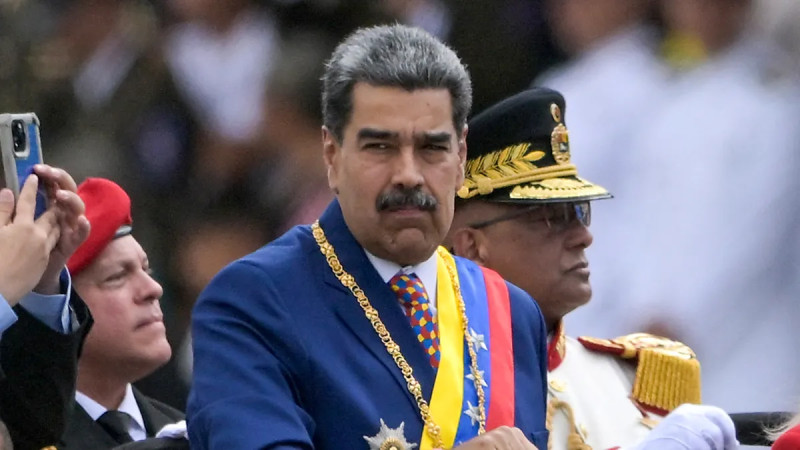
In a related development, the CIA conducted a drone strike on a port facility in Venezuela, marking the first known U.S. attack on a target inside the country. This move is part of a broader military and political pressure campaign by the U.S. against President Nicolás Maduro. Maduro has been accused of ties to the Cartel de los Soles, a group designated as a foreign terrorist organization by the U.S. State Department. Maduro has denied these allegations, claiming the accusations are politically motivated.
Despite the absence of a confirmed U.S. bombing, there is extensive evidence of covert actions and military pressure from the United States. The U.S. military has been involved in the Caribbean and Pacific, targeting suspected drug boats, which has resulted in significant casualties. The U.S. has also been escalating its military presence in the region, leading to the most significant build-up since the end of the Cold War.
The U.S. has been critical of Maduro's regime, citing human rights abuses and authoritarian governance as reasons for the pressure campaign. The U.S. has also been linking Venezuela's drug trade to terrorist activities, further justifying U.S. intervention. The Trump administration has been particularly vocal about its stance, with President Trump himself acknowledging the covert actions and considering further strikes on Venezuelan targets.
Maduro, on the other hand, has accused the U.S. of using the drug trade allegations as a pretext for military intervention. Venezuela has reacted strongly to Trump's statements, labeling them as "colonialist threats" and a violation of the country's sovereignty.
The situation in Venezuela remains fluid, and the reports of U.S. military actions continue to fuel speculation. While the U.S. has not officially confirmed a bombing, the evidence of drone strikes and military pressure suggests a significant escalation in the conflict. The international community continues to monitor the situation closely, with calls for de-escalation and diplomatic solutions growing louder.