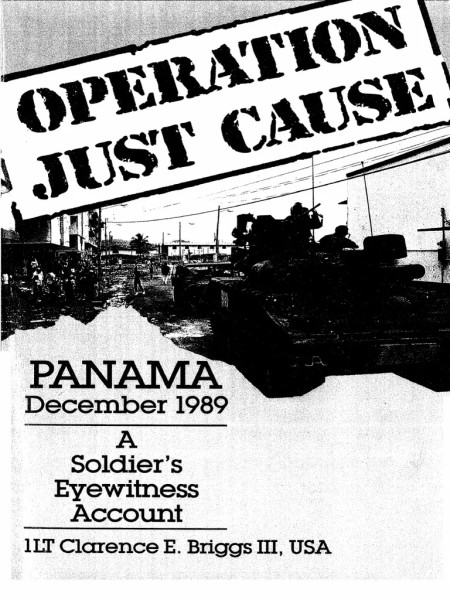
Operation Just Cause, the United States' invasion of Panama in December 1989, remains a pivotal moment in modern history. This military intervention, authorized by President George H. W. Bush, aimed to depose General Manuel Noriega, who was wanted for racketeering and drug trafficking. The operation, which took place during the presidency of George H. W. Bush, involved a massive deployment of troops and aircraft, ultimately leading to the surrender of Noriega.
The invasion, codenamed Operation Just Cause, was a significant military action that involved over 27,000 U.S. troops and more than 300 aircraft, demonstrating the United States' determination to remove Noriega from power and secure its strategic interests in the Panama Canal Zone. The operation involved a coordinated effort to subdue the Panamanian Defense Forces (PDF), protect American lives and property, and safeguard the Panama Canal.
The legacy of Operation Just Cause is complex and multifaceted. While the operation successfully removed Noriega from power and brought him to the United States to face drug charges, it also resulted in significant civilian casualties and left a lasting impact on Panama. The operation's shadow looms large over Panama, stoking fears of future U.S. military interventions.
In the years since Operation Just Cause, the United States has continued to play a significant role in Panama's affairs. The Torrijos-Carter Treaties, ratified in 1977, transferred control of the Panama Canal from the U.S. to Panama by 2000, marking a new chapter in the relationship between the two countries. However, the memory of the invasion remains a sensitive issue, with some Panamanians viewing it as a symbol of U.S. imperialism and others seeing it as a necessary step to remove a corrupt dictator.
The invasion's impact on Panama's political landscape is also noteworthy. The removal of Noriega paved the way for democratic elections and a period of relative stability in Panama. However, the legacy of Operation Just Cause continues to influence Panama's politics and society, with debates ongoing about the appropriateness and effectiveness of the intervention.
In conclusion, Operation Just Cause remains a controversial and significant event in modern history. While it achieved its primary objective of removing Noriega from power, the operation's legacy is marked by both successes and failures. The lessons learned from Operation Just Cause continue to inform U.S. foreign policy and military strategy, serving as a reminder of the complexities and consequences of military interventions abroad. The legacy of Operation Just Cause will undoubtedly continue to shape the relationship between the United States and Panama for years to come.