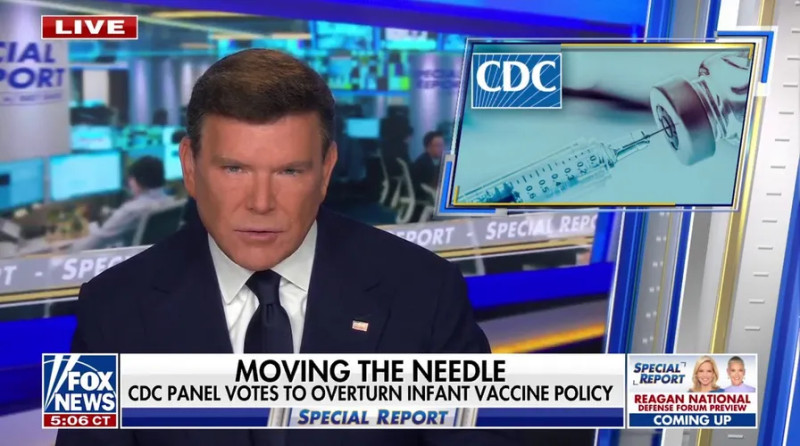
CDC Announces Major Changes to Childhood Vaccine Schedule
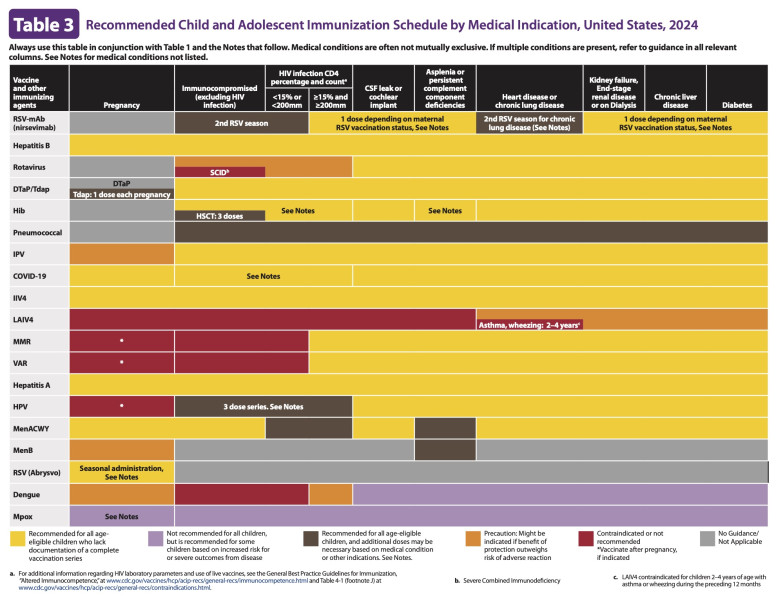
The Centers for Disease Control and Prevention (CDC) has made significant updates to its childhood vaccine schedule, reducing the number of universally recommended vaccines from 17 to 11. This shift, which has sparked a mix of reactions from health professionals and the public, aims to streamline vaccination protocols and potentially address concerns about vaccine hesitancy. The updated schedule, effective from 2026, categorizes immunizations into three distinct groups: those recommended for all children, those for high-risk groups, and those for certain populations.
One of the notable changes is the removal of the universal recommendation for multiple shots, including some previously mandated vaccines. The CDC’s decision follows a presidential memorandum issued in December 2025, which directed health officials to review and update the immunization schedule. This overhaul is part of a broader effort to modernize public health strategies and adapt to evolving scientific data. Despite the changes, insurance companies are mandated to cover all recommended vaccines without cost-sharing, ensuring accessibility for families.
The new vaccine schedule changes have been met with both praise and criticism. While some experts argue that the reduction in the number of mandated vaccines could simplify compliance and potentially boost vaccination rates, others express concerns about the potential risks of reduced immunization coverage. The CDC maintains that the updated recommendations are based on rigorous scientific evidence and are designed to protect children's health effectively.
Medical professionals, including pediatricians, have raised concerns about the potential implications of these changes. The American Academy of Pediatrics (AAP) has criticized the move, suggesting that it could lead to a return of vaccine-preventable diseases. The AAP emphasizes the importance of adhering to well-established vaccination protocols to safeguard public health.
The CDC has assured the public that the overhaul of the vaccine schedule changes will not affect access or insurance coverage for vaccines. However, there are fears that the abrupt nature of these changes could erode public trust in vaccination programs.
The updated CDC vaccine schedule includes recommendations for vaccines against 11 diseases, down from the previous 17. This change is part of a broader effort to address public health challenges and adapt to new scientific findings. The new schedule retains recommendations for vaccines such as those for chickenpox and HPV, which have been subjects of debate in recent years.
As the CDC continues to monitor the impact of these changes, it is crucial for healthcare providers and parents to stay informed about the updated recommendations. The CDC encourages regular consultations with healthcare professionals to ensure that children receive the necessary immunizations to protect their health.
The new CDC vaccine schedule changes are a significant development in public health policy, reflecting a balance between scientific evidence and public sentiment. While the changes aim to simplify vaccination protocols, they also highlight the ongoing need for public education and trust in vaccination programs.
How does this story make you feel?
 Up next · HealthAndrea Yates: A Complex Legacy of Tragedy and Mental Health