Understanding the Flu: Symptoms, Causes, and Treatment
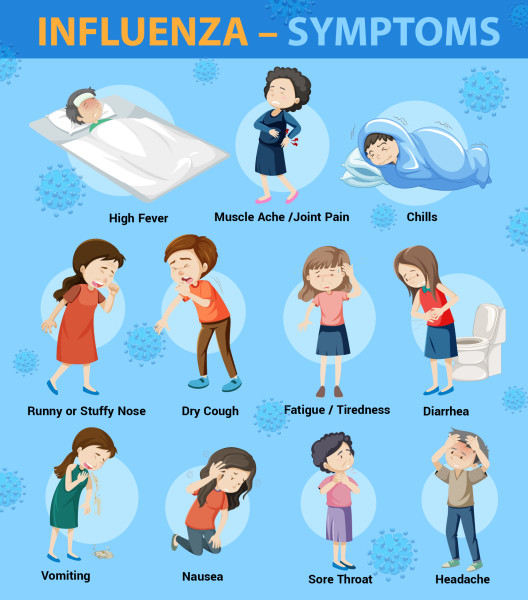
The flu, also known as **influenza**, is a contagious respiratory illness caused by influenza viruses. These viruses can cause mild to severe symptoms and, in some cases, can be life-threatening. With flu season in full swing, it's crucial to recognize the early signs and understand how to manage the illness. According to the CDC, the flu is distinct from the common cold, which can be caused by a variety of viruses, including rhinoviruses, parainfluenza, and seasonal COVID-19.
**Flu symptoms** can vary from person to person, but they typically include a high fever, chills, headaches, body aches, congestion, coughing, and fatigue. Unlike the common cold, which develops gradually, flu symptoms hit hard and fast, often within a few hours. Common symptoms also include runny or stuffy nose, sore throat, and muscle or body aches. The virus primarily affects the respiratory system, including the nose, throat, and lungs.
In **less common cases**, flu symptoms can lead to severe complications such as ear or sinus infections, and even pneumonia. These complications are more likely to affect high-risk groups like older adults, young children, pregnant individuals, and those with chronic health conditions. For most people, the flu is a temporary inconvenience, but it can be deadly in severe cases, particularly for those with weakened immune systems or underlying health conditions.
Early recognition of flu symptoms is essential for timely care and prevention of complications. If symptoms are mild, treatment typically involves rest, hydration, and over-the-counter medications to relieve discomfort. However, for those at higher risk, antiviral medications may be prescribed to reduce the severity and duration of the illness. Getting vaccinated every year is the best way to avoid getting sick with the flu, especially for those in high-risk categories.
If you experience flu-like symptoms, it's essential to consult a healthcare provider for a proper diagnosis. The flu is often confused with the common cold, but recognizing the distinct symptoms can help you seek timely treatment and prevent the spread of the illness. Remember, the flu can lead to serious complications, so it's crucial to take precautions and seek medical attention if necessary.
How does this story make you feel?
 Up next · HealthNew Dietary Guidelines 2026: Embarking on a Healthier Journey