New Dietary Guidelines 2026: Embarking on a Healthier Journey
The landscape of American nutrition is shifting with the unveiling of the new Dietary Guidelines for Americans 2026-2030 by U.S. Department of Health and Human Services Secretary Robert F. Kennedy, Jr. and U.S. Department of Agriculture Secretary Brooke Rollins. This historic announcement marks a significant overhaul of federal nutrition policy, aiming to steer the nation toward healthier eating habits. The guidelines, released on January 7, 2026, emphasize a balanced diet with more protein and less sugar and ultra-processed foods.
The new guidelines are a blend of long-standing nutrition advice and innovative changes, influenced heavily by the "Make America Healthy Again" (MAHA) initiative. This initiative, championed by the Trump administration, advocates for a holistic approach to nutrition, focusing on nutrient-dense foods and minimizing the intake of processed and sugary items. The shift aims to address the rising prevalence of diet-related health issues, such as obesity and diabetes, by promoting whole foods and encouraging more mindful eating habits.
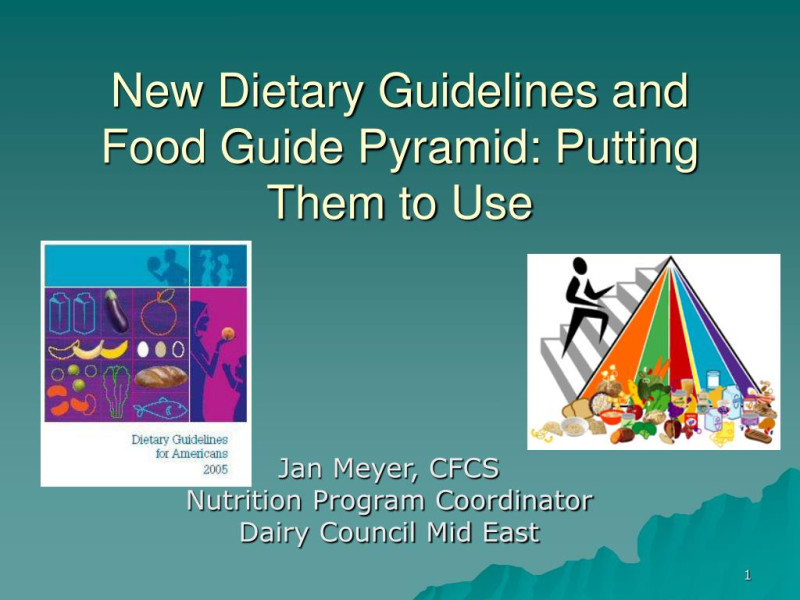
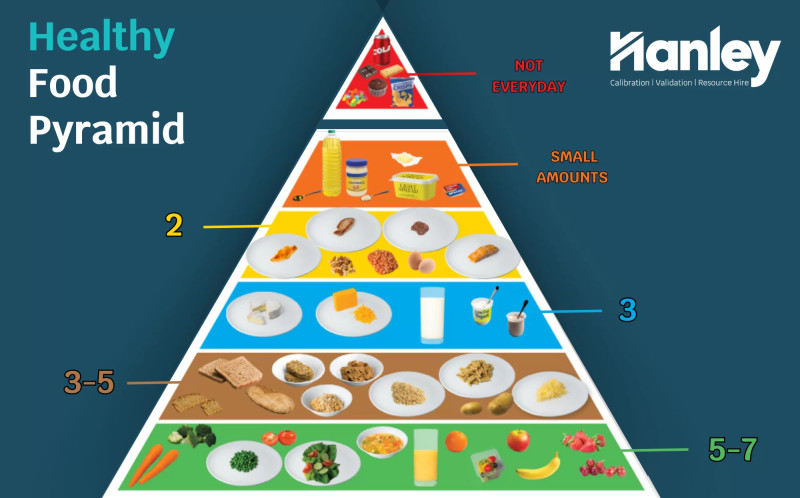
One of the most notable changes in the guidelines is the new food pyramid which visualizes a more balanced diet. This pyramid replaces the outdated food pyramid, which has been criticized for its oversimplification and lack of clarity. The new pyramid emphasizes the importance of whole grains, lean proteins, fruits, and vegetables, while discouraging the consumption of highly processed foods, added sugars, and sodium. The pyramid also underscores the need for personalization, recognizing that individual dietary needs can vary based on age, activity level, and health status.
Professor Marion Nestle, a renowned expert in nutrition and public health, notes that while the guidelines are comprehensive, their real impact will depend on how well they are communicated and implemented. "The average person probably doesn't think about the dietary guidelines," says Nestle, highlighting the need for clear, actionable advice that can be easily integrated into daily life. The new guidelines aim to bridge this gap by providing practical recommendations and resources, such as sample meal plans and recipe ideas, to help Americans make healthier choices. The new guidelines are a significant step toward improving the nation's health, but their success will ultimately depend on how well they are embraced by the public and supported by policy initiatives.
How does this story make you feel?
 Up next · HealthThe New Food Pyramid: A Paradigm Shift in Nutrition Policy