The New Food Pyramid: A Paradigm Shift in Nutrition Policy
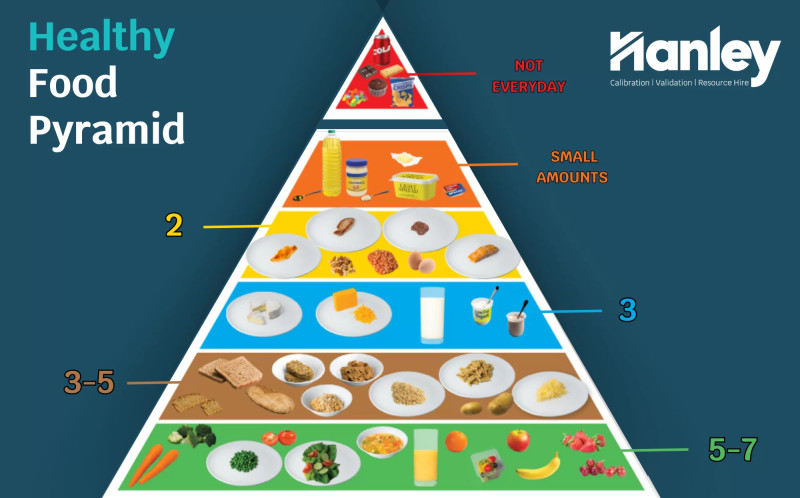
The U.S. Department of Agriculture (USDA) and Health and Human Services (HHS) have launched a historic reset of America's nutrition policy with the unveiling of the 2025-2030 Dietary Guidelines. This groundbreaking initiative, championed by Health Secretary Robert F. Kennedy Jr., re-establishes the **food pyramid** as a vital tool for nourishment and education, emphasizing whole foods and a balanced diet [1,2,3,4,5,6,7,9,10].
The new guidelines are encapsulated in an **"upside-down" food pyramid**, a stark departure from the traditional model. This innovative design places vegetables, fruits, proteins, dairy, and healthy fats at the top, while whole grains occupy the base [3,4,6,8,9,10]. This shift reflects a modern, science-based approach to nutrition, prioritizing protein at every meal and endorsing full-fat dairy products with no added sugars [1,3,4,5,6,7,9,10].
Under the **"Make America Healthy Again" (MAHA) framework**, the new dietary guidelines advocate for a diet rich in whole foods and caution against highly processed foods [3,6,10]. These guidelines come at a time when the average person may not think about the dietary guidelines, highlighting the need for accessible, straightforward nutrition advice. The MAHA framework aims to simplify dietary recommendations, making them more intuitive and actionable for consumers [3,6,9,10].
How does this story make you feel?
 Up next · HealthThe State of Child Care Funding in 2026: Trends and Challenges