NASA Astronauts Face Uncertainty as Medical Issue Looms Over ISS Mission
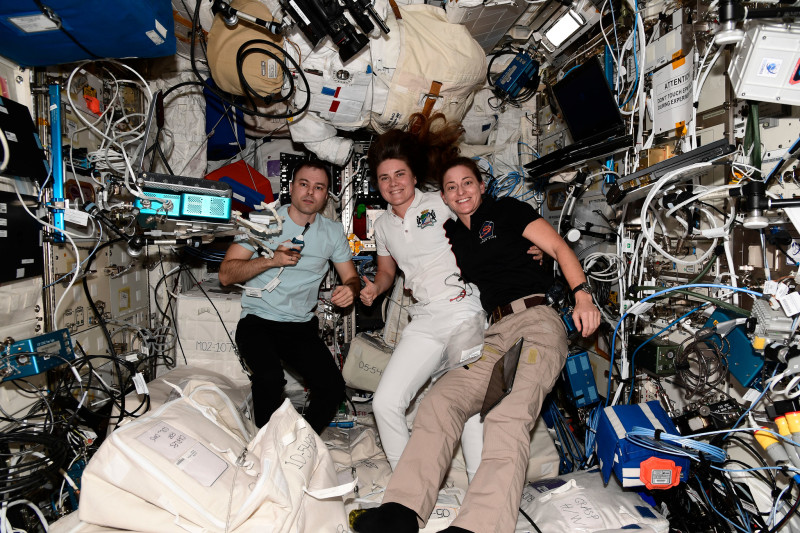
The news out of NASA this week has been dominated by concerns over an astronaut’s health, which has led to the potential early return of the Crew-11 from the International Space Station (ISS). The situation underscores the high-stakes nature of space exploration and the critical role of astronaut health in mission planning and safety.
The International Space Station serves as a pivotal research station and home for astronauts, orbiting approximately 250 miles above Earth’s surface. It’s a marvel of modern engineering, representing a collaborative effort among space agencies worldwide. This week, the ISS was set to host a spacewalk by two NASA astronauts, Mike Fincke and Zena Cardman, who were to perform critical maintenance tasks. However, a medical issue with an unidentified crew member resulted in the cancellation of the spacewalk and has now put the entire mission in jeopardy.
On Thursday, NASA initially cancelled the spacewalk due to an unspecified medical concern, which has since led to a broader evaluation of the Crew-11 mission. NASA is now considering whether to bring the crew home early, a rare and significant decision that reflects the gravity of the situation. The SpaceX Crew-11 mission, which launched in 2025, would be the first to return prematurely due to a medical emergency.
The implications of such a decision are far-reaching. If NASA decides to bring the astronauts back, it would likely involve the entire Crew-11 team due to the limited capacity of recovery vehicles attached to the ISS. This would not only disrupt the ongoing research and maintenance activities on the ISS but also raise questions about the preparedness for such emergencies.
In the meantime, NASA continues to provide updates and assess the situation. The agency’s decision will hinge on the severity of the medical issue and the potential risks to the astronauts and the mission. As the world watches, the situation highlights the resilience and dedication of NASA astronauts and the ongoing challenges of space exploration.
How does this story make you feel?
 Up next · ScienceTemperature in Pittsburgh: A Comprehensive Look at the Weather Conditions