The Latest Eruptions of Hawaii's Kilauea Volcano: A Spectacular Display of Nature's Fury
Hawaii has long been renowned for its volcanic activity, and the Kilauea Volcano has once again taken center stage with its dramatic eruptions. The most recent activity, which began in December 2024, has captivated both scientists and the public, showcasing the raw power of Earth's geological processes.
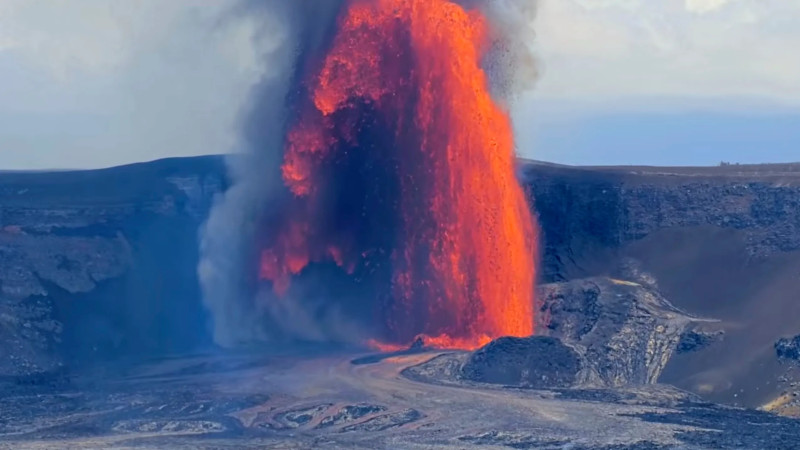
The Kilauea Volcano, located on the southeastern shore of Hawaii Island, has been erupting episodically since December 23, 2024. This activity primarily occurs from two vents within Halema'uma'u, a crater that has been the site of many past eruptions. The eruptions have sent lava fountains soaring up to 1,000 feet into the air, creating a mesmerizing yet dangerous spectacle.
One of the most notable aspects of these eruptions is the production of tephra, which includes volcanic ash and glassy fragments. These materials have been falling within Hawaiʻi Volcanoes National Park and into adjacent communities, prompting authorities to issue warnings and closures to ensure public safety. The ashfall has been particularly significant, leading to the rare issuance of an ashfall warning by the USGS.
The impact of these eruptions extends beyond the immediate area. The Kilauea Volcano is part of the larger Hawaiʻi Volcanoes National Park, a popular tourist destination that has had to implement temporary closures due to the hazardous conditions. The park's Welcome Center is still open at Kilauea Military Camp while the Kīlauea Visitor Center undergoes renovations, offering visitors a safe space to learn about the volcano's activity and the park's ongoing updates.
The Kilauea Volcano is not just a geological wonder; it is also a cultural and historical landmark. The volcano has been active for millions of years, with its current form dating back to around 100,000 years ago when it emerged above sea level. Its eruptions have shaped the landscape of Hawaii Island, creating new land and altering existing features. The volcano's activity is closely monitored by the USGS, which provides daily updates and webcam feeds to keep the public informed about the latest developments.
The Kilauea Volcano continues to be a focal point of interest for scientists and visitors alike. Its eruptions serve as a reminder of the dynamic nature of our planet and the importance of understanding and respecting its powerful forces. As the volcano continues to erupt, researchers and park authorities will remain vigilant, ensuring that both the public and the environment are protected from the hazards posed by this natural phenomenon.
How does this story make you feel?
 Up next · ScienceThe Unpredictable Skies: Deciphering Tallahassee’s Tornado Alerts and Weather Conditions on March 12, 2026