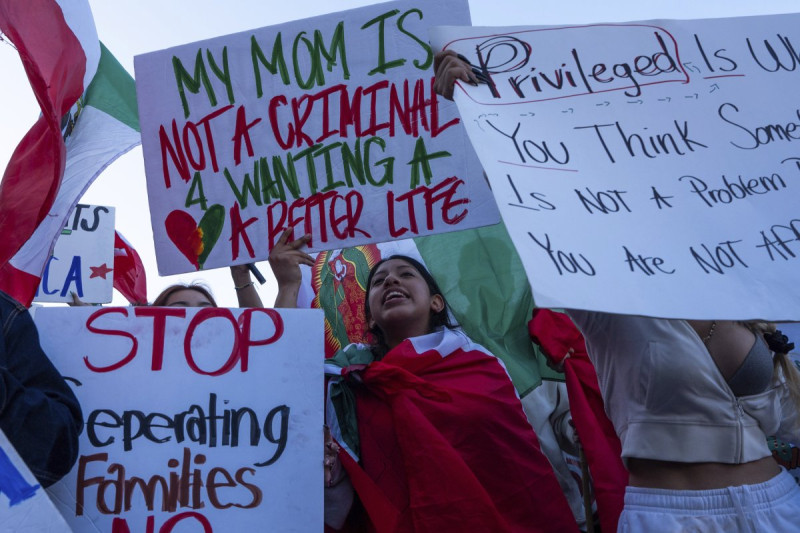
In the wake of the tragic shooting of Renee Nicole Good in Minneapolis on January 7th, a wave of anti-ICE protests has swept across the nation. The incident, which involved the fatal shooting of an American citizen by Immigration and Customs Enforcement (ICE) agents, has sparked widespread outrage and calls for accountability. The protests, largely organized by groups like Indivisible Twin Cities, are part of a broader movement pushing for an end to what they describe as unchecked violence and abuse by federal immigration enforcement agencies.
Renee Good, a 39-year-old mother and American citizen, was shot by ICE agents during what authorities describe as an attempted vehicular assault on the officers. The incident has drawn attention to the broader issue of police brutality and the role of ICE in local communities. The protests, scheduled nationwide for January 10th, reflect a growing public demand for transparency and reform in immigration enforcement.
Among the most vocal advocates for justice in this case is Becca Good, Renee Good's wife. Becca has spoken out publicly about her grief and her determination to seek justice for her late partner, adding a personal and emotional dimension to the broader protest movement. Her advocacy has resonated with many, amplifying the calls for change.
Indivisible, a grassroots organization known for its anti-authoritarian stance, has been at the forefront of organizing these protests. The group, which has a strong presence in Minnesota, has called for an end to what they see as systemic abuse by ICE. Their efforts have mobilized thousands of activists across the country, emphasizing the need for community involvement in the fight against what they describe as federal overreach.
The protests are not only about seeking justice for Renee Good but also about addressing a broader pattern of abuse and impunity that has long been associated with ICE operations. The movement, under the banner of "ICE Out For Good," aims to dismantle the agency entirely, arguing that it is inherently flawed and prone to excessive use of force.
The incident has also highlighted the complexities of ICE operations and the need for greater oversight. Minnesota Governor Tim Walz has called on Americans to "stand with us against this," referring to the perceived injustices committed by ICE agents. This sentiment has been echoed by many local officials who have expressed their support for the protests and the broader calls for reform.
The protests have also led to increased scrutiny of the investigation into Renee Good's death. The Minnesota prosecutor has called on the public to share any evidence related to the shooting, emphasizing the need for transparency and accountability in the investigation. This call for public involvement underscores the high level of public interest and concern surrounding the incident.
As the protests continue to gain momentum, it is clear that the public is demanding more than just symbolic gestures. The movement seeks concrete actions and reforms that will hold ICE accountable for its actions and ensure that such tragedies do not occur again. The protests represent a significant moment in the ongoing debate about immigration enforcement and the role of federal agencies in local communities.