The intensifying conflict between the United States, Israel, and Iran has sparked global alarm, with recent events escalating the already volatile region. The latest developments include a series of attacks and retaliations, with the most recent being the bombing of a girls' school in Minab, Iran, which left 168 casualties. The United Nations Educational, Scientific, and Cultural Organization (UNESCO) condemned this strike as a "grave violation of humanitarian law".
Amidst these tensions, US intelligence reports suggest that Iran is preparing to deploy naval mines in the Strait of Hormuz, a critical global oil shipping channel, following a recent US strike on Iranian minelaying ships. The US has been proactive in thwarting potential threats in the region, with the Pentagon describing recent airstrikes as some of the most intense since the start of the conflict.
The conflict has not only spread to the Middle East but also created ripples across global markets, affecting everything from travel to financial stability. The US has been particularly vocal about its intentions to halt Iran's nuclear ambitions, an endeavor that has led to intense airstrikes on strategic Iranian targets. The latest escalation includes the killing of Iranian Supreme Leader Ayatollah Ali Khamenei in a joint US-Israeli operation, an event described by President Donald Trump as a pivotal moment that could reshape the power dynamics in the region.
What does the future hold for this conflict? Experts suggest that Iran is likely to respond with a mix of cyberattacks, drone strikes, and maritime pressure, a strategy that has been part of their military doctrine in response to external threats. The US has also been preparing for potential Iranian retaliation, with the FBI issuing warnings about possible drone attacks on California targets in the event of escalated tensions.
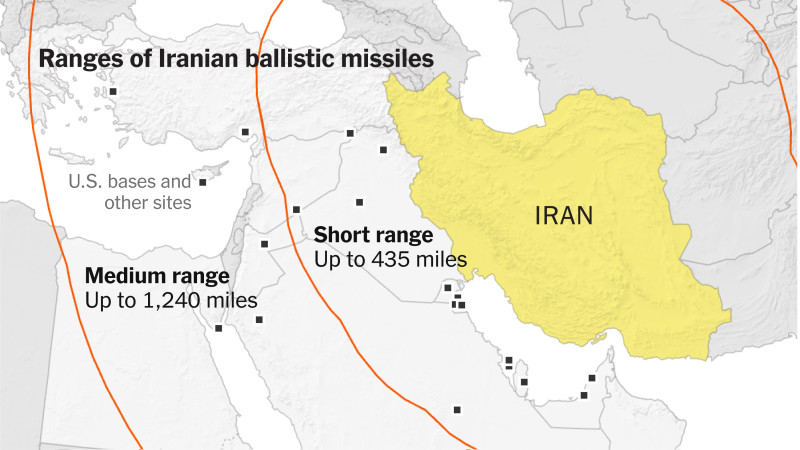
The conflict has also brought into focus the strategic importance of the Strait of Hormuz, where recent attacks have highlighted the vulnerability of global oil supplies. With the US and Israel ramping up their military presence in the region, the likelihood of further escalation remains high. The latest US-Israeli strikes have focused on dismantling Iran's nuclear and ballistic missile capabilities, while Iran has retaliated with missile attacks on Israeli targets, including the capital, Tehran.
The world watches as the conflict between the US, Israel, and Iran continues to unfold, with each side determined to assert its dominance. The recent bombing of the girls' school in Minab serves as a grim reminder of the humanitarian cost of this conflict, and the international community is increasingly concerned about the potential for further escalation. As the situation in the Strait of Hormuz remains tense, the global impact of this conflict is likely to be felt for years to come, with far-reaching implications for geopolitics and economics.