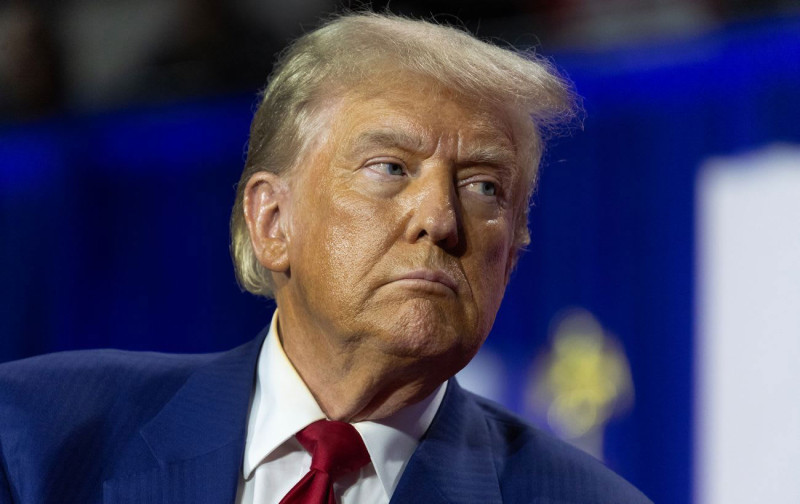
The U.S. and Iran find themselves in a delicate diplomatic dance, with President Trump's administration weighing a variety of options to support the ongoing protests in Iran. The latest developments indicate that Trump is considering both military action and diplomatic talks to address the unrest and pressure the Iranian regime.
In recent days, sources indicate that Trump has been exploring military strikes as a potential response to the Iranian government's brutal crackdown on protesters. This comes as a senior US official stated that Trump is leaning towards punitive action against the regime, though no final decision has been made. This consideration underscores the administration's stance that it is ready to take serious measures to deter further violence.
However, Trump's approach is not solely focused on military options. He has also kept diplomatic channels open, engaging in discussions with Iranian officials. This dual strategy reflects a nuanced approach, where the administration is seeking to balance firm action with the possibility of negotiations. The U.S. President has even expressed openness to diplomatic discussions, indicating that Iran has reached out for talks while facing U.S. military threats.
This diplomatic outreach is significant as it signals that despite the escalating tensions, there is still room for dialogue. The Iranian foreign minister and Trump's envoy have reportedly discussed the protests, suggesting that some form of communication is ongoing. This is crucial as it could potentially prevent a further escalation of hostilities and offer a path towards de-escalation.
Trump has also emphasized his administration's readiness to support the Iranian protesters in their quest for freedom. In several statements, he has expressed solidarity with the protesters and hinted at potential U.S. intervention to aid their cause.
As the situation continues to evolve, Trump is expected to convene with his national security team to discuss the next steps. These discussions will likely involve evaluating the effectiveness of potential military actions and the feasibility of diplomatic initiatives. The aim is to support the protesters while also considering the broader geopolitical implications of any actions taken.
In conclusion, the current standoff between the U.S. and Iran is marked by a mix of military threats and diplomatic efforts. Trump's administration appears to be navigating this complex situation with a strategic balance, ready to take military action but also open to negotiations. The Iranian regime's response to these dual pressures will be crucial in shaping the future of this conflict.