Shaking Up the Heartland: Recent Earthquake Activity in the St. Louis Area
In the early hours of Tuesday morning, the tranquility of the St. Louis area was disrupted by a earthquake that sent tremors through the region. The U.S. Geological Survey (USGS) reported a 3.5 magnitude earthquake with a depth of 6 miles, occurring near Ohlman, Illinois, around 1:30 a.m.. This event, though relatively small, was felt across a wide area, including St. Louis, Quincy, Peoria, and even as far as Terre Haute, Indiana.
While the earthquake did not result in any reported damage, it was significant enough to be felt by thousands of residents across central Illinois. The shallow depth of the quake likely contributed to its widespread impact, as shallower earthquakes tend to affect larger areas due to their proximity to the Earth's surface. The tremors were felt across central Illinois, including Springfield and Decatur. Central Illinois is not typically associated with high seismic activity, with the state averaging about five tremors a year.
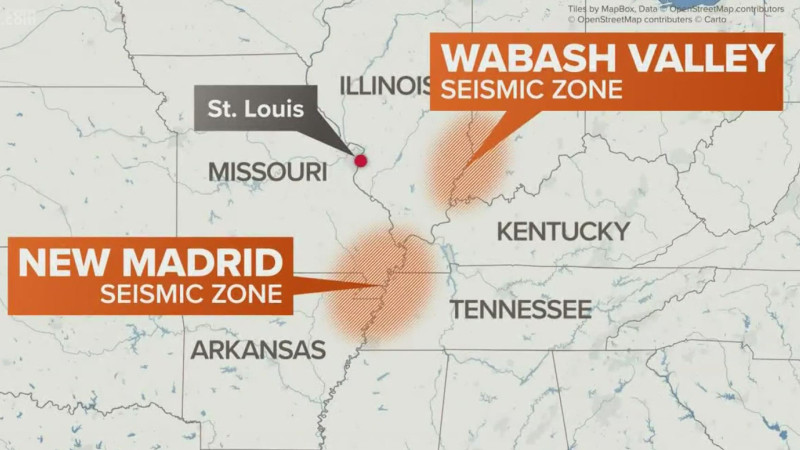
Earthquakes in this region, while relatively infrequent, are not uncommon. Illinois, particularly the southern part, lies in an area known as the New Madrid Seismic Zone, which has experienced significant seismic activity in the past. The New Madrid Seismic Zone is one of the most active seismic areas in the United States east of the Rocky Mountains. The zone has produced several powerful earthquakes in the past, including a series of major quakes in 1811-1812 that were among the most powerful in U.S. history.
The recent earthquake serves as a reminder of the region's seismic potential and the importance of preparedness. While the 3.5 magnitude quake did not cause significant damage, larger earthquakes in the region could potentially have more severe impacts. Residents are encouraged to be aware of earthquake safety protocols and to stay informed about seismic activity through resources like the USGS and real-time earthquake trackers such as QuakePulse.
The recent earthquake in the St. Louis area highlights the ongoing seismic activity in the region and the need for continued vigilance. As the area recovers from this minor event, it serves as a reminder of the potential for larger earthquakes in the future. Residents should take this opportunity to review their emergency preparedness plans and stay informed about seismic activity in their region.
How does this story make you feel?
 Up next · ScienceUnraveling the Mystery of Frost Quakes: Nature's Winter Surprise