Where's My Refund? A Comprehensive Guide on IRS Tax Refunds for 2026
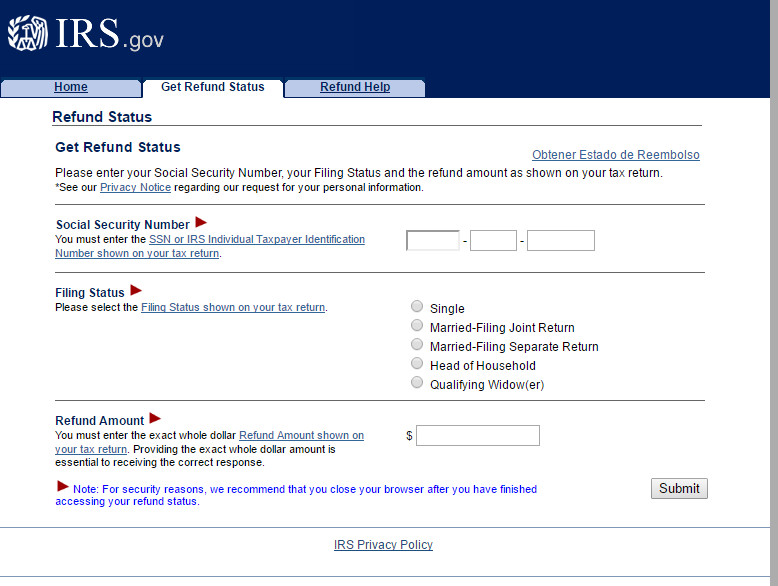
The 2026 tax filing season is now in full swing, and millions of Americans are eagerly awaiting their tax refunds. With the IRS having started to accept tax returns on January 26th, 2026, many are wondering how and when they will receive their refunds. This guide will break down the process, offering insights into IRS tax refunds and how to track your money using the Where's My Refund? tool on irs.gov.
First, it's important to note that the IRS began accepting and processing federal individual income tax returns for the 2025 tax year on January 26, 2026. This marks the official start of the 2026 tax filing season, which will continue until the deadline of April 15, 2026. The IRS expects to receive more than 140 million individual tax returns during this period. The Where's My Refund? tool on irs.gov is a crucial resource for taxpayers to monitor the status of their refunds, providing updates in real time as the IRS processes their returns
As the tax season progresses, taxpayers are encouraged to utilize the Where's My Refund? tool on irs.gov to track their refund status. This tool provides 24/7 access to the most up-to-date information, allowing taxpayers to check the status of their refunds at any time. The tool is updated once a day, usually overnight, and requires only basic information such as your Social Security number, filing status, and the exact refund amount from your tax return. To use the tool, visit irs.gov and navigate to the Where's My Refund? page. Enter the required information, and the tool will provide real-time updates on the status of your refund. Additionally, the IRS has announced that the 2026 tax filing season will offer more than two months for taxpayers to file their 2025 returns and take advantage of the new tax breaks.
Also, filing your taxes electronically and choosing direct deposit for your refund can significantly expedite the refund process. The IRS notes that direct deposit is the fastest and most secure way to receive your refund. For those who prefer to file using a professional tax service, companies like Jackson Hewitt offer comprehensive assistance in preparing and filing tax returns, ensuring that all deductions and credits are accurately claimed to maximize refunds
If you're among the millions of taxpayers who have already filed their 2025 tax returns, you might be curious about when you can expect to receive your refund. While the IRS cannot guarantee an exact date for when you will receive your refund, the agency has provided general timeframes. In most cases, if you choose direct deposit, you can expect to receive your refund within 21 days of filing your return, provided there are no issues with your return. For paper returns, the processing time is longer, typically taking several weeks. However, it's essential to remember that these timeframes are estimates, and the actual time it takes to receive your refund can vary.
If it has been more than 21 days since you filed your return and you haven't received your refund, or if the Where's My Refund? tool doesn't provide updates, it may be necessary to contact the IRS for further assistance. The IRS offers several resources to help taxpayers resolve any issues related to their refunds, including a dedicated IRS Refund Hotline and online resources on irs.gov. In such cases, it's advisable to have your tax return and any relevant documentation on hand for a smoother resolution process.
How does this story make you feel?
 Up next · BusinessSilver Prices Today: Insights and Trends