The Fed Keeps Rates Steady Amid Uncertainty: What to Know from Today’s FOMC Meeting
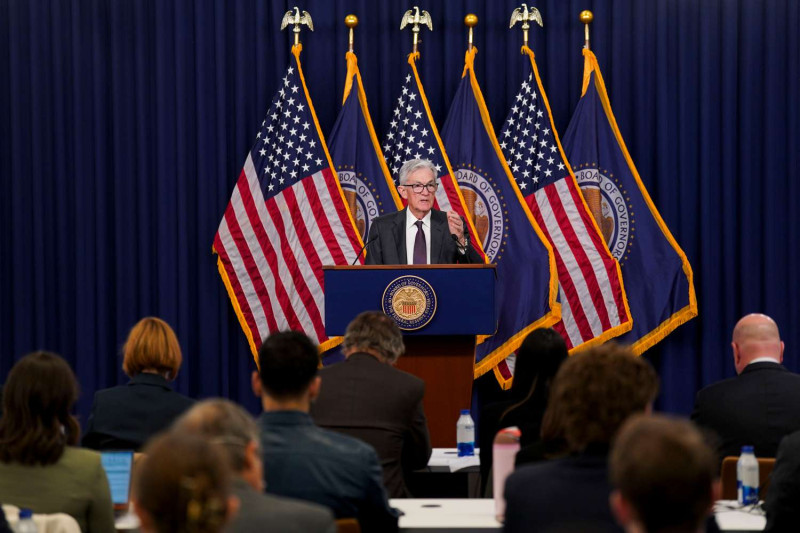
As the world watches, the Fed’s FOMC meeting today holds the spotlight, with the potential to shift market dynamics amid a backdrop of geopolitical tensions and economic challenges.
FOMC Meeting: Rates Held as Expected
The Federal Open Market Committee (FOMC) decided to keep interest rates steady at 3.5%-3.75%, a move widely anticipated by economists and traders alike.
The decision reflects a cautious approach by the Fed, which is navigating a complex environment marked by volatile oil prices and simmering geopolitical tensions in Iran.
“The Committee seeks to achieve maximum employment and price stability.”
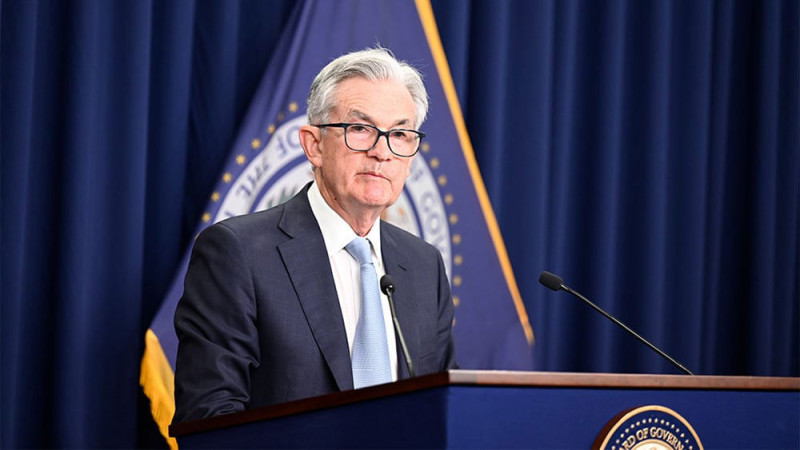
Fed Chair Jerome Powell, who will address the press later today, is expected to provide insights into the Fed’s economic projections and the rationale behind the decision to hold rates. Think again. The market's reaction to Powell's remarks will be a key indicator of investor sentiment and expectations for future monetary policy.
Economic Projections and the 'Dot Plot': Insights Ahead
The FOMC meeting today also features the quarterly release of the Summary of Economic Projections, or "dot plot," which offers a glimpse into where the committee expects the federal funds rate and inflation to head in the coming quarters.
With oil prices hovering around $100 per barrel and geopolitical risks on the rise, the Fed’s projections will be scrutinized for clues about future rate hikes or cuts.
The minutes of the January 27–28, 2026 FOMC meeting reveal that "almost all" participants supported holding the federal funds rate.
The Impact on Markets and the Economy: What to Watch
Today’s Fed meeting is expected to have significant implications for markets and the broader economy. Investors and analysts are keenly watching for any cues that could signal a change in the Fed’s stance in the coming months, particularly regarding its strategy for managing inflation and economic growth. “We’re expecting the FOMC to hold rates at 3.5 %-3.75 % amid $100 oil and Iran war.”
One area of particular interest is the impact on the rupee, which is currently trading at 92.50. The Reserve Bank of India (RBI) is also set to make its own policy decisions in April, and today’s Fed announcement could influence the RBI’s approach to managing India’s currency and monetary stability.
The next FOMC meeting, scheduled for the end of April, will provide further insights into the Fed's evolving stance on monetary policy and its response to ongoing economic challenges, including inflation, geopolitical risks, and global market volatility.
With the Fed’s decision today to keep interest rates steady, the spotlight shifts to Powell's upcoming remarks and the economic projections that will shape market expectations for the remainder of the year. What will the Fed’s next move be, and how will it navigate the challenges ahead?
How does this story make you feel?
 Up next · BusinessFederal Reserve Decision Today: Dow Jones Stock Market Braces for Impact