Ye's Latest Mea Culpa: A Complex Web of Apologies and Controversies
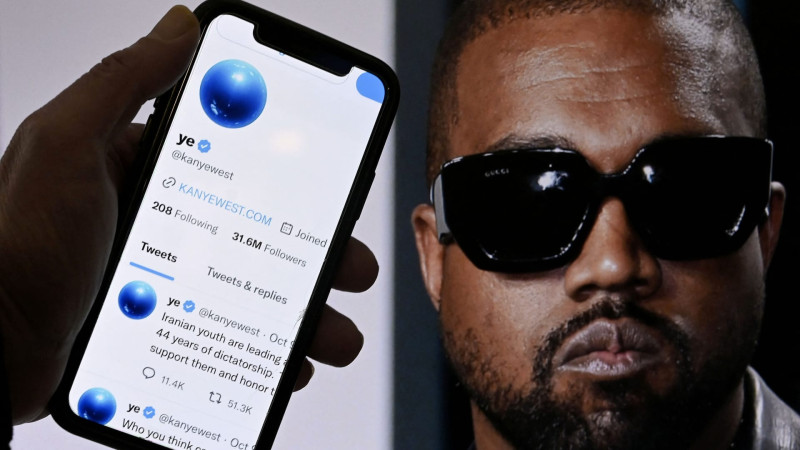
Kanye West, now known as Ye, has once again found himself in the public eye, this time for a heartfelt apology, published in a full-page Wall Street Journal advertisement. The apology addresses his problematic past, including his antisemitic remarks and controversial behavior, which have sparked widespread backlash. The timing of his apology is notable, coming after a four-month manic episode in 2025.
Ye's latest apology is a departure from his previous attempts, which often veered into taking back what he had initially said. In his new statement, Ye, who has historically been known for his outspoken views, has provided a more nuanced explanation for his actions, pointing to an undiagnosed brain injury. The injury was sustained in a car accident 25 years ago.
Ye's brain injury, according to his recent statements, led to a diagnosis of bipolar disorder. This revelation adds a layer of complexity to his past behavior, which includes both his antisemitic remarks and his broader public controversies. His apology in the Wall Street Journal has been met with a range of reactions, from skepticism to a cautious acceptance.
The full-page apology in the Wall Street Journal has been a significant public relations move for Ye. It underscores his efforts to regain public trust and reconciliation. However, the sincerity of his apology has been questioned. Critics have dubbed it "crocodile tears," suggesting that the timing of the apology may be part of a strategic move.
The broader context of Ye's apology involves his ongoing battle with bipolar disorder, a condition that he has openly discussed as a factor in his behavior. His apology seems to be part of a larger narrative, one that includes his struggles and his journey towards rehabilitation and public redemption.
Ye's apology was also directed towards the Black community, whom he had previously hurt with his actions and statements. This extension of his apology highlights the multifaceted nature of his public persona and the communities he has affected.
Ye's apology has also included a more personal note. In his statement, he has expressed his love for Jewish people, explicitly denying his identification as a Nazi or antisemite. This clarification is significant, given the severity of the accusations and the public outrage they have sparked.
The full-page apology also serves as a reminder of the broader cultural and social impacts of public figures' behavior. Ye's case highlights the complexities of public apologies and the delicate balance between personal accountability and public perception. As the public continues to grapple with the aftermath of his actions, Ye's latest apology remains a focal point in the ongoing conversation.
How does this story make you feel?
 Up next · EntertainmentWood TV 8: Your Trusted Source for School Closings and Weather Updates in West Michigan