Freezing fog advisory issued for Louisiana, Oklahoma, Tennessee and Texas
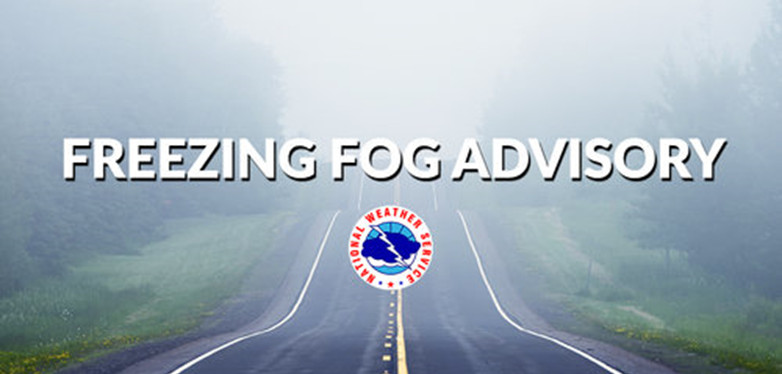
Meteorologists warned of dangerous freezing fog across four states, urging drivers to slow down and stay alert as ice forms on roads and power lines.
Key points
- Freezing fog forms when temperatures drop below 32°F and moisture turns to ice crystals.
- It can create a thin, nearly transparent ice layer that makes roads and walkways extremely slippery.
- The phenomenon often occurs in calm, clear conditions, making it hard to predict and increasing accident risk.
- Rime ice can accumulate on power lines and trees, potentially causing outages or branch breakage.
- Drivers should reduce speed, maintain distance, and check conditions before traveling.
As winter's icy grip tightens across the nation, meteorologists have issued a freezing fog advisory for multiple states, warning residents of the potential hazards posed by this rare and deceptive weather phenomenon. On January 27, freezing fog warnings were issued for parts of Louisiana, Oklahoma, Tennessee, and Texas, expiring by noon ET on January 28.
But what exactly is freezing fog, and why is it such a concern? Unlike regular fog, which is composed of tiny liquid water droplets, freezing fog forms when air temperatures dip below 0°C (32°F) and moisture condenses into ice crystals. These ice crystals can accumulate on surfaces, creating a thin, nearly transparent layer of ice that makes roads and walkways extremely slippery and dangerous.
One of the challenges in predicting freezing fog is its unpredictable nature. The weather phenomenon can form rapidly and dissipate just as quickly, making it difficult for meteorologists to issue timely and accurate advisories. This unpredictability is compounded by the fact that freezing fog often occurs in calm, clear conditions, with little to no wind. Such conditions can lull travelers into a false sense of security, increasing the risk of accidents.
The hazards of freezing fog are not limited to road conditions. The formation of rime ice on outdoor infrastructure, such as power lines and trees, can cause significant damage. As freezing fog droplets come into contact with these surfaces, they freeze instantly, creating a thick, icy coating that can weigh down and break branches or cause power outages.
To stay safe during a freezing fog advisory, it is essential to take precautions. Drivers should reduce their speed and maintain a safe following distance, as stopping distances can increase significantly on icy roads. It is also crucial to check road conditions before embarking on a journey and to be prepared for sudden changes in visibility. For those outdoors, it is essential to dress warmly and be aware of the potential for falling ice or branches.
In conclusion, while freezing fog may not receive as much attention as other winter weather phenomena, it poses significant hazards that should not be underestimated. By understanding what freezing fog is and taking the necessary precautions, residents can stay safe and navigate the challenges posed by this deceptive weather event. As the winter season continues, it is essential to remain vigilant and heed the warnings issued by meteorologists to ensure the safety of ourselves and others.
Your questions, answered
What is freezing fog?
Freezing fog is fog that forms when temperatures fall below 32°F, causing moisture to condense into ice crystals that can accumulate on surfaces.
Why is freezing fog dangerous?
It creates a thin ice layer on roads and walkways, making them slippery, and can form rime ice on power lines and trees, leading to damage or outages.
How does this story make you feel?
Topics
 Up next · ScienceBomb cyclones vs. nor'easters: differences and 2026 East Coast threat