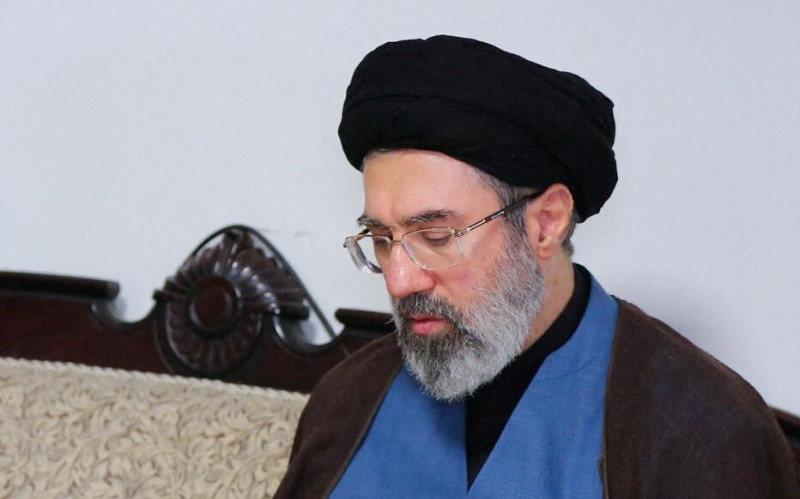
The political landscape of Iran has undergone a significant shift with the appointment of Mojtaba Khamenei as the new supreme leader of the Islamic Republic. This development comes in the wake of his father, Ayatollah Ali Khamenei's assassination, marking a pivotal moment in the country's history. Mojtaba Khamenei, the second son of the late Ayatollah Ali Khamenei, has been chosen as his successor by Iran's Assembly of Experts. At 56 years old, Mojtaba brings a unique blend of military experience and behind-the-scenes political influence to his new role.
Mojtaba Khamenei's journey to the highest office in Iran is marked by his early military service during the Iran-Iraq War. At just 17 years old, he served in the military for several short periods, a experience that has likely shaped his understanding of the country's defense and security needs. This military background, combined with his long-standing political influence, positions him uniquely to navigate the complex challenges facing Iran today.
Since his father's assassination, Iran has entered a critical phase, facing an existential war against a combined U.S.-Israeli front seemingly intent on regime change. Mojtaba Khamenei's appointment comes at a time when Iran needs strong and decisive leadership to navigate these turbulent waters. His behind-the-scenes influence in governing affairs has prepared him for this role, although he has never held an official office.
The transition of power from Ayatollah Ali Khamenei to his son Mojtaba has been met with a mix of reactions both within Iran and internationally. While some see it as a continuation of the Khamenei dynasty, others view it as a necessary step to maintain stability during a time of crisis.
Mojtaba Khamenei's leadership will be closely watched as he steers Iran through this challenging period. His ability to balance domestic issues with international pressures will be crucial in determining the future trajectory of the Islamic Republic.