Understanding the Critical Difference Between a Tornado Watch and a Tornado Warning
A tornado watch and a tornado warning are both crucial alerts issued by the National Weather Service, but they serve different purposes and convey different levels of urgency. Understanding these distinctions is vital for staying safe during severe weather events.
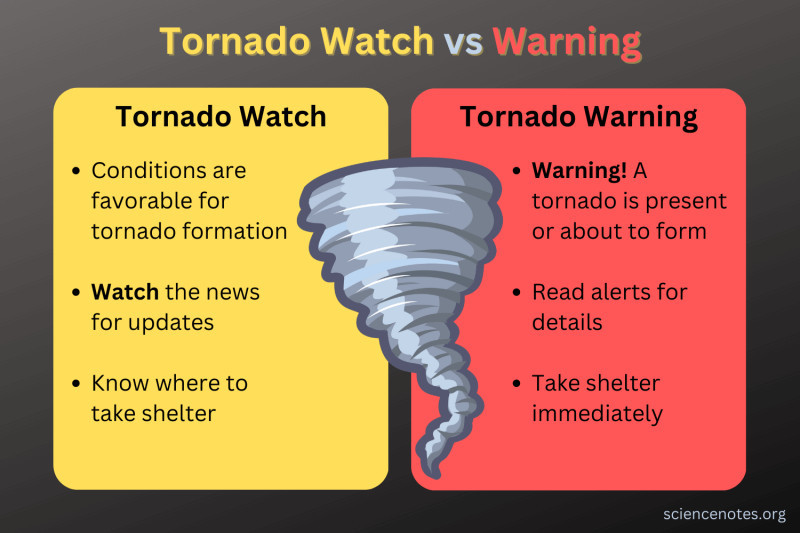
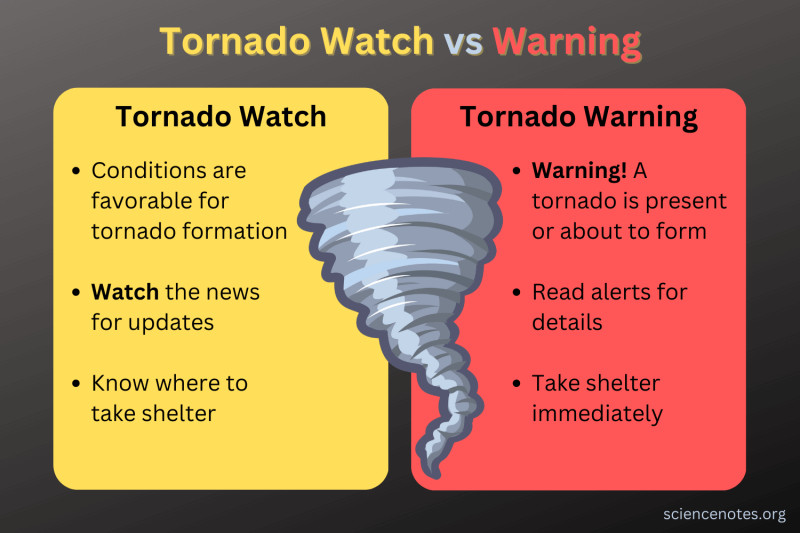
A tornado watch indicates that conditions are favorable for tornadoes to develop in the designated area. This alert is a call to be prepared, not necessarily to take immediate action. It is the time to review and discuss emergency plans, check your supplies, and ensure your safe room is ready. Think of it as a heads-up that the weather conditions are ripe for tornadoes, so you should be ready to act quickly if a tornado warning is issued.
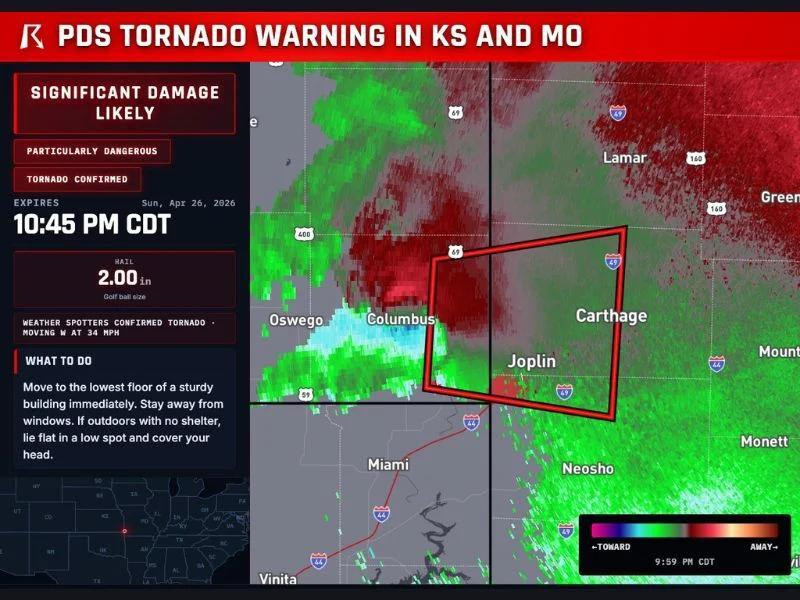
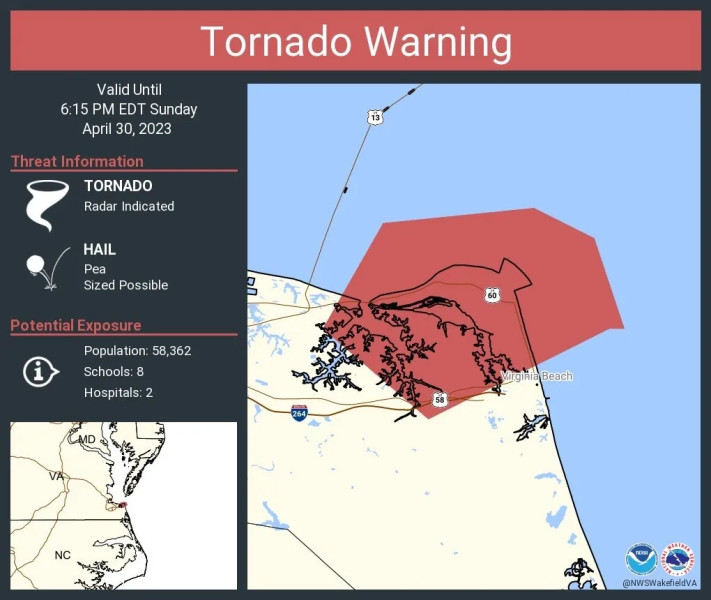
In contrast, a tornado warning is a more serious and immediate alert. It means that a tornado has been sighted or detected by radar, and it is occurring or imminent. When a tornado warning is issued, it is crucial to take immediate action to protect yourself and your loved ones. This could involve moving to a safe location, such as a basement or an interior room on the lowest level of your building.
Severe thunderstorm warnings can escalate to tornado warnings if rotation is detected within the storm, indicating the potential for a tornado. It is essential to stay alert and monitor weather updates, especially during severe thunderstorm events, as conditions can change rapidly.
Knowing the difference between a tornado watch and a tornado warning is not just about understanding the alerts but also about being prepared to respond appropriately. When a tornado watch is issued, use the time to prepare your emergency kit, review your evacuation plan, and ensure your family knows what to do. When a tornado warning is issued, act quickly and move to a safe location immediately.
In summary, a tornado watch means be prepared, while a tornado warning means take action. Both alerts are critical for safety during severe weather, and understanding their differences can help you stay safe and prepared.
How does this story make you feel?
 Up next · WorldWeather Outlook for Cincinnati, Ohio on March 11, 2026