NASA's Artemis II crew begins lunar flyby mission
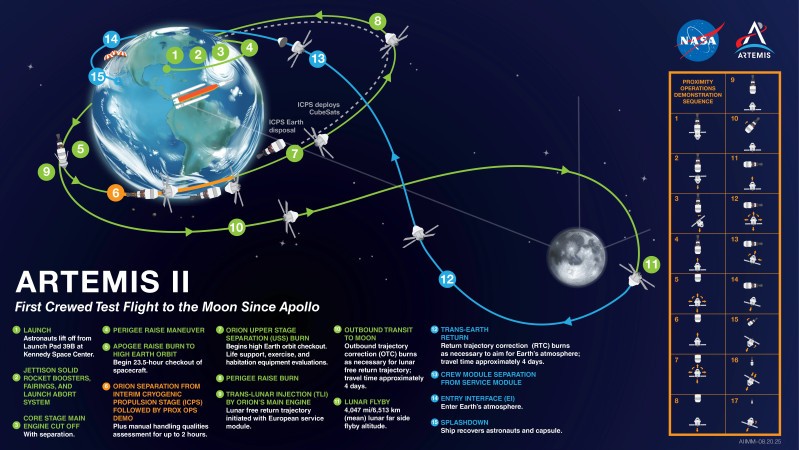
NASA launched the Artemis II mission on April 1, sending four astronauts on a 10‑day free‑return trip around the moon, marking the first human deep‑space flight since Apollo.
Key points
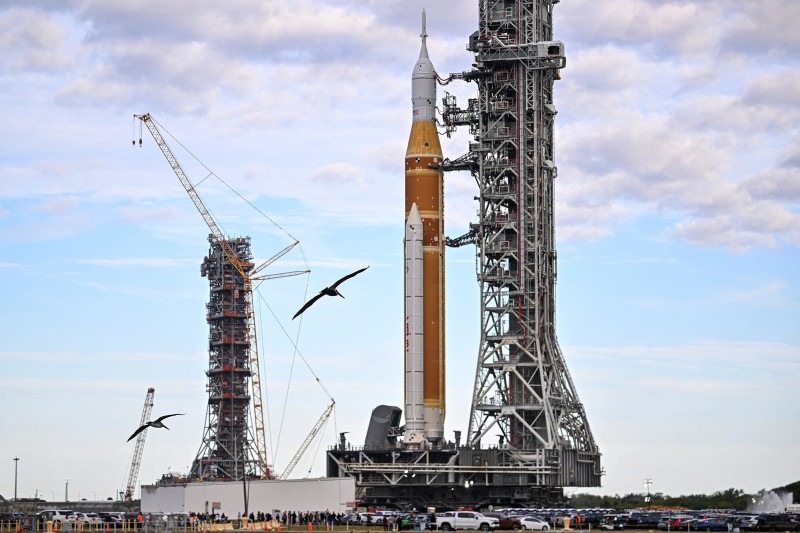
- Artemis II launched from Kennedy Space Center on April 1, 2026.
- The crew performed a successful translunar injection burn and is on a free‑return trajectory.
- Astronauts include Reid Wiseman, Victor Glover, Christina Koch and Jeremy Hansen.
- NASA’s Deep Space Network is maintaining communication with the Orion spacecraft.
Tonight, as the clock struck 6:35 p.m. EDT on April 1, 2026, NASA's Artemis II mission embarked on an extraordinary journey around the moon, carrying four intrepid astronauts—Commander Reid Wiseman, Pilot Victor Glover, Mission Specialist Christina Koch, and CSA (Canadian Space Agency) astronaut Jeremy Hansen. The mission, a pivotal step in NASA's ambitious Artemis program, is a 10-day odyssey that has already begun with the critical translunar injection burn, setting the crew's course for deep space. So, where is the Artemis II right now? Let’s dive into the details.
Artemis II: A Leap into Deep Space
NASA's Artemis II mission is a monumental leap into the future of lunar exploration. The crew's journey began with a successful launch from Kennedy Space Center, marking the first human spaceflight beyond low Earth orbit since the Apollo era. The translunar injection burn was flawless, propelling the Orion spacecraft and its crew towards the moon. The crew is now on a free return trajectory, which means they will use the moon’s gravity to slingshot back to Earth, ensuring a safe return.
The Crew's Journey and Translunar Injection Burn
The translunar injection burn was crucial for the Artemis II mission, setting the crew on a path to the moon and initiating their journey into deep space. This burn not only propelled the Orion spacecraft towards the moon but also placed it on a trajectory that will allow it to return to Earth safely using the moon's gravity. The crew, consisting of Commander Reid Wiseman, Pilot Victor Glover, Mission Specialist Christina Koch, and CSA astronaut Jeremy Hansen, are the first humans to embark on such a journey since the Apollo missions.
The Deep Space Network and Communication
Communication with the Artemis II crew is handled through NASA's Deep Space Network, a global array of antennas that ensures constant contact with the spacecraft. Christina Koch, one of the mission specialists, communicated with NASA's Mission Control Center in Houston during the critical burn phase, confirming the success of the translunar injection. The network provides crucial support, relaying data and commands between the crew and mission control, ensuring the safety and success of the mission.
"The translunar injection burn has been completed successfully. The Artemis II crew is on its way to the moon." - NASA Mission Control.
Your questions, answered
Who are the astronauts on Artemis II?
The crew consists of Commander Reid Wiseman, Pilot Victor Glover, Mission Specialist Christina Koch and CSA astronaut Jeremy Hansen.
What is the purpose of the translunar injection burn?
It propelled Orion toward the moon and placed it on a trajectory that will use lunar gravity to return the crew safely to Earth.
Quick poll
How do you feel about NASA’s Artemis II lunar flyby mission?
0 votes
How does this story make you feel?
Topics
 Up next · ScienceArtemis II Crew Suit Test: Making History in Orbit