When Is Eid Al-Fitr 2026?
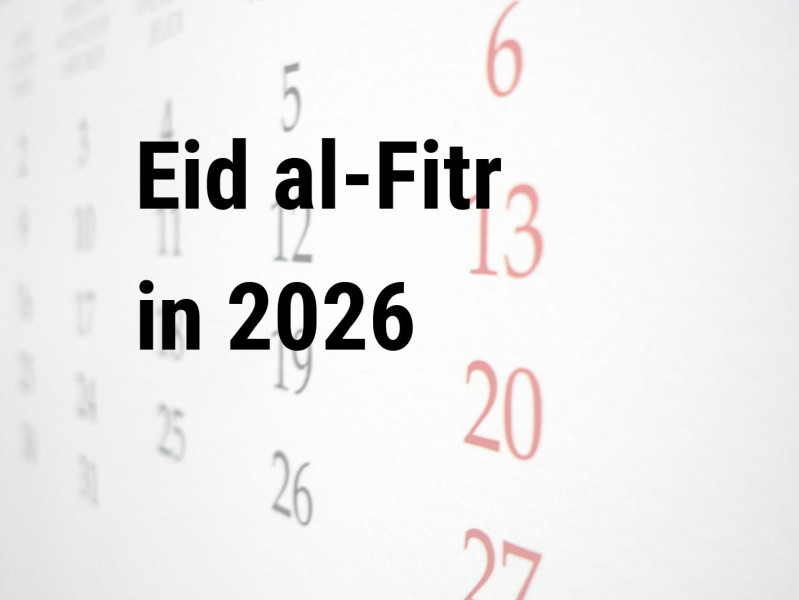
As the world marks the end of Ramadan in 2026, the excited anticipation of Eid al-Fitr is palpable. For Muslims worldwide, this festival signifies both the culmination of a month-long fast and the start of joyous celebrations. While the exact timing of Eid is crucial for planning, let's not kid ourselves: the determination of this date is far from straightforward. The Islamic calendar, which is lunar-based, means that Eid al-Fitr shifts annually in the Gregorian calendar. Given today's date, March 15, 2026, we are inches away from the festive season. So, when is Eid Al-Fitr 2026?
Moon Sighting and the Islamic Calendar
The Islamic calendar, or Hijri calendar, is a lunar calendar that consists of twelve months. Each month starts with the sighting of the new crescent moon, making the precise date of Eid al-Fitr 2026 somewhat uncertain. Eid al-Fitr 2026 is expected to fall on the evening of March 19 or the morning of March 20, 2026, but the exact date is contingent on the sighting of the new moon in Saudi Arabia, or wherever a particular community's authorities might be. The exact date of Eid al-Fitr depends on the sighting of the crescent moon, which marks the beginning of the Islamic month of Shawwal and the end of Ramadan.
The Global Significance of Eid al-Fitr 2026
Another possibility for Eid al-Fitr 2026 is the 21st of March 2026. However, the determination of Eid al-Fitr is quite different in India. Eid al-Fitr in India is expected to be on Saturday, March 21, 2026. Since India often begins Ramadan a day later than the Middle East, the 29th day of fasting usually falls on March 20, so if the crescent is seen that evening, Eid is Saturday, if not, it will be Sunday, March 22, 2026. The significance of this festival cannot be overstated. It marks the end of Ramadan, a month characterized by fasting, prayer, and reflection, and is a time for celebration, feasting, and giving. The festival is celebrated for a full day or two, depending on the country and local practices. Families and friends gather to share meals, exchange gifts, and participate in religious activities.
Let's be clear: this is more than a celebration; it's a cultural and religious anchor that unites Muslims globally. But how does this tradition create a sense of unity? Eid is a time when the Islamic community comes together for prayer and celebration, strengthening the bonds of family and community. Many families visit relatives and friends, and special meals are prepared. The festivities also include charitable acts, such as giving Zakat al-Fitr, a form of charity meant to purify one's wealth and help those in need.
The Moon, the Mystique, and the Eid Debate
While the Eid date is generally predicted based on astronomical calculations, the final confirmation is made by actual moon sighting. This traditional method, which relies on visual confirmation, can sometimes lead to variations in the Eid date across different countries. In fact, the determination of Eid al-Fitr 2026 is contingent on the sighting of the crescent moon in Saudi Arabia, or wherever a particular community's authorities might be. This means that the exact date can vary by a day, depending on the region's visibility and local moon-sighting authorities.
What is the significance of Eid Al-Fitr 2026?
Here's what nobody's asking: How does the determination of Eid impact the global Muslim community? The variance in Eid dates can lead to logistical challenges for families and communities living across different time zones or countries. When Eid al-Fitr 2026 clashes with public holidays or work schedules, it can be both a blessing and a curse. On one hand, it fosters a sense of cultural pride and unity among Muslims; on the other, it can complicate planning and coordination.
When is Eid Al-Fitr 2026? While the Eid date is crucial, what truly matters is the spirit of togetherness and celebration it brings. Whether it falls on March 20 or 21, 2026, the essence of Eid al-Fitr 2026 remains unchanged. As we approach the Eid date in 2026, let's take a moment to appreciate the rich traditions and cultural significance of this festival, and let's consider: What if the date of Eid was universally standardized? How would this affect the cultural and spiritual fabric of the Islamic community?
How does this story make you feel?
 Up next · EntertainmentSebastian Maniscalco: The Comedian Taking America by Storm