Unraveling the Phenomenon: What is a Snow Squall and Why It Matters
In the early hours of March 16, 2026, the National Weather Service issued a snow squall warning for a region that was just beginning to wake up. The news jolted many from their morning routines, as drivers scrambled to adjust to the sudden whiteout conditions. The term snow squall is not unfamiliar to those living in regions prone to harsh winters, but for many others, it remains a mysterious and often dangerous weather event.
The Anatomy of a Snow Squall: A Sudden and Intense Weather Event
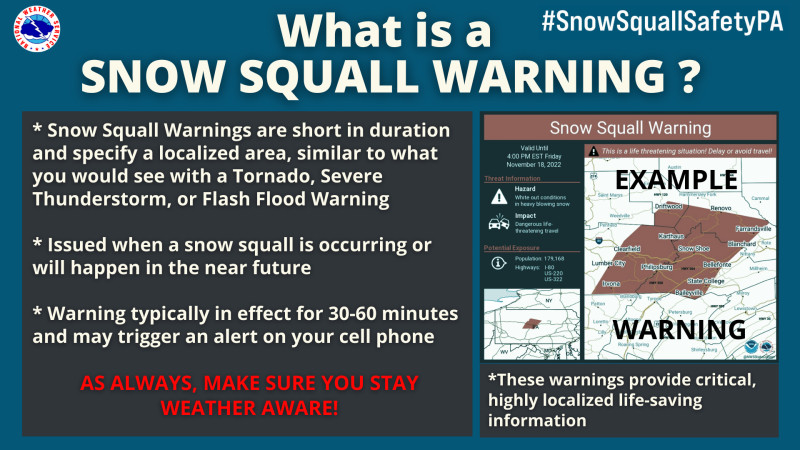
A snow squall, or snowsquall, is a rapid, intense snowfall accompanied by strong, gusty winds and blowing snow. This weather phenomenon can create whiteout conditions, significantly reducing visibility and making driving hazardous. A snow squall is distinct from a blizzard in that it is more localized both in time and space. While a blizzard can last for hours and cover a broad area, a snow squall is typically short-lived, lasting from 30 to 60 minutes and confined to a smaller geographical area. The suddenness of a snow squall can catch drivers off guard, transforming safe driving conditions into treacherous ones in a matter of minutes. Snow squalls often occur in two main types: lake effect snow squalls and frontal snow squalls. Lake effect snow squalls are common near large bodies of water, where cold air passes over warmer water, picking up moisture and depositing it as snow over land. Frontal snow squalls, on the other hand, occur along weather fronts where warm and cold air masses meet.
Navigating the Snow Squall Warning: Safety First
When the National Weather Service issues a snow squall warning, it is crucial to take immediate action. These warnings are designed to provide critical, highly localized information that can save lives. The warnings are similar to tornado and severe thunderstorm warnings in their urgency and specificity. These warnings are issued through various channels, including weather radios, mobile alerts, and media broadcasts, ensuring that as many people as possible are informed of the impending danger. What to do if you encounter a snow squall warning: - Avoid or delay motor travel: If possible, stay off the roads until the squall passes. If you must travel, proceed with extreme caution and ensure your vehicle is equipped with winter tires and emergency supplies. - Stay informed: Keep a weather radio or use a reliable weather app to stay updated on the latest conditions and warnings. - Prepare for whiteout conditions: If you are driving and encounter a snow squall, slow down and use your low beams or fog lights to improve visibility. Increase your following distance and be prepared to stop suddenly. - Seek shelter: If you are caught in a snow squall while outdoors, find shelter immediately and wait for the squall to pass.
“Snow squalls are one of the most dangerous winter weather phenomena. ... Check out these tabs to know what they are, how to be safe, and where to get the necessary information to always stay weather aware!” — Weather.com
Understanding the Science and Safety of Snow Squalls
Understanding the science behind snow squalls can help individuals prepare for these events and stay safe. Snow squalls are often associated with cold fronts or lake-effect snow, where warm, moist air rises rapidly and condenses into heavy snowfall. The strong winds that accompany snow squalls can create hazardous driving conditions by reducing visibility and causing snow to accumulate quickly. The combination of heavy snowfall and strong winds can lead to whiteout conditions, making it nearly impossible to see the road ahead. To mitigate the dangers of snow squalls, it is essential to stay informed and prepared. The National Weather Service provides detailed information on snow squalls and safety tips to help individuals navigate these hazardous weather conditions. By understanding the science behind snow squalls and taking appropriate safety measures, individuals can reduce the risks associated with these sudden and intense weather events.
As the world continues to experience the impacts of climate change, understanding and preparing for extreme weather events like snow squalls becomes increasingly important. By staying informed and taking proactive measures, communities can better protect themselves from the dangers posed by these sudden and intense weather phenomena. Stay tuned as the National Weather Service continues to monitor the situation and provide updates on any potential snow squalls in the coming days.
How does this story make you feel?
 Up next · ScienceUnveiling Tornado Radar: Your Frontline Defense Against Nature's Fury in Indianapolis