In the fluorescent glare of the briefing room at the National Weather Service in Honolulu, the mood was tense. The hum of phones buzzing in pockets was the soundtrack to a grim reality: a storm of historic proportions was battering Maui, leaving over 100,000 residents without power.
Storm's Onslaught: Roads Submerged, Power Lines Down
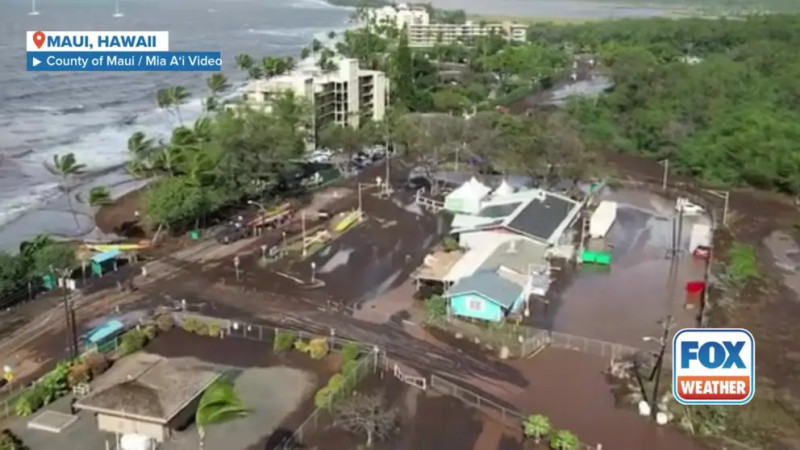
A powerful kona storm had taken a heavy toll on Maui County, with roads submerged, power lines down, and landslides blocking major thoroughfares. The National Weather Service had issued a flash flood warning that extended well into the night, a grim reminder of the storm's relentless fury.
The storm had been building for days, but the sheer intensity of the rainfall and wind was unprecedented. The Kona storm, a rare weather system driven by a low-pressure system, had brought hurricane-force winds and torrential rain.
“This storm is unlike anything we’ve seen in recent years,” said meteorologist Dr. Linda Thompson. “The combination of heavy rain, strong winds, and the resulting landslides has made this particularly dangerous.” — The flash flooding warnings were issued for Maui, Molokai, and parts of the Big Island, while the entire state remained under a flood watch.
Honolulu Weather: The Epicenter of the Storm
Honolulu, the capital of Hawaii, bore the brunt of the storm. The city's usually bustling streets were deserted, with residents hunkered down as the storm raged outside. Honolulu Electric Company (HECO), the primary power provider, reported widespread outages, with over 100,000 customers affected.
The storm's impact was not confined to power outages. Roads were submerged, and major highways, including parts of the H-1 and H-3, were closed due to flooding and landslides. The National Weather Service issued a high wind warning for Oahu, adding to the list of advisories that included a winter storm warning and a severe storm warning.
“The situation is critical,” said Governor David Ige in a press conference. “We are working with all available resources to ensure the safety of our residents.” — The high wind warning was issued for Oahu and Maui, with wind speeds expected to reach up to 80 miles per hour.
The Human Toll: Communities Struggle Amidst the Deluge
In the small town of Kaanapali on Maui, residents were evacuated from their homes as floodwaters rose rapidly. The community center was transformed into a makeshift shelter, where families huddled together, sharing blankets and stories of the storm's wrath.
“We’ve never seen anything like this,” said local resident Maria Johnson. “The water was up to our waist in less than an hour.” — In Honolulu, the storm's impact was felt across the island, with areas like Waikiki and Hawaii Kai experiencing significant flooding and power outages.
The storm had also brought ice on the summits, a rare occurrence in Hawaii, adding to the chaos and making travel even more treacherous. The National Weather Service warned of prolonged flash flooding, with the potential for further landslides and sinkholes.
In the aftermath of the storm, the focus shifted to recovery efforts. The National Guard was deployed to assist with evacuations and provide relief to affected areas. The Red Cross set up shelters and provided food and water to those displaced by the storm. Damage assessments were underway, with state and federal agencies working together to restore power and repair infrastructure. — As the storm began to subside, the true extent of the damage was still unfolding. Residents and officials alike braced themselves for the daunting task of rebuilding, while the storm's memory lingered in the flooded streets and downed power lines of Maui.