The Crucial Distinctions Between a Tornado Watch and a Tornado Warning
In the heart of storm season, the difference between a tornado watch and a tornado warning can mean the difference between life and death. Understand these alerts to stay safe.
What is a Tornado Watch?
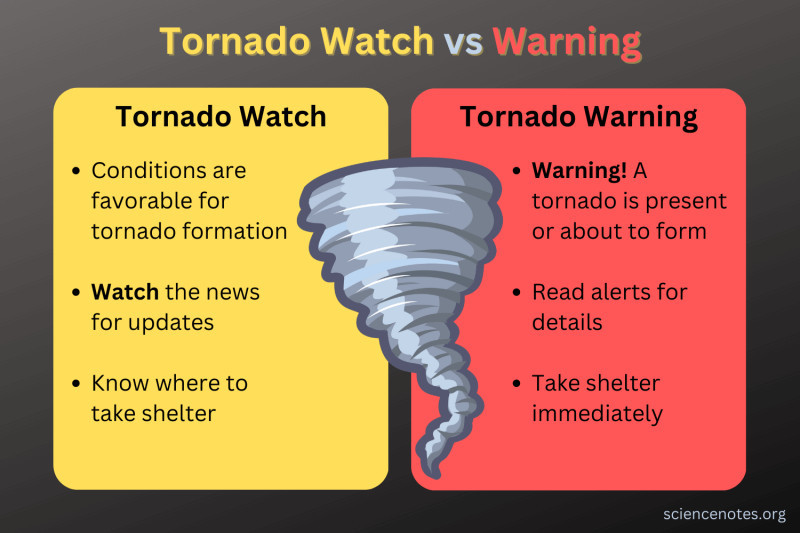
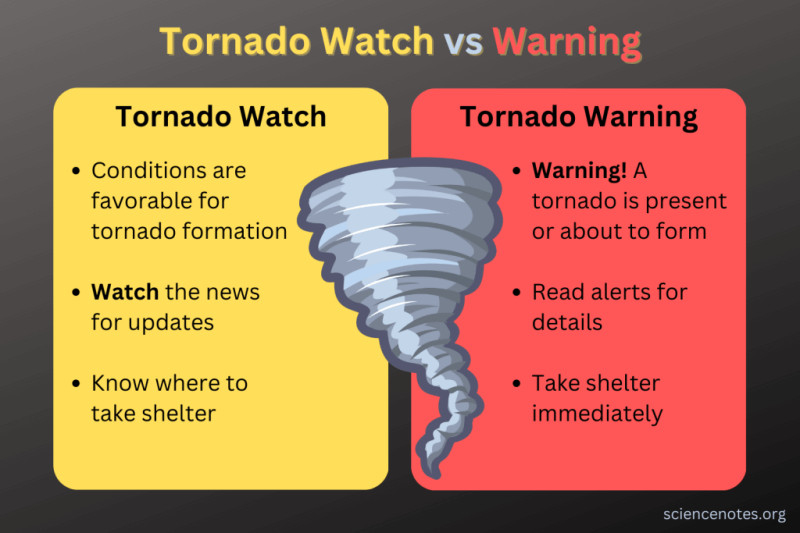
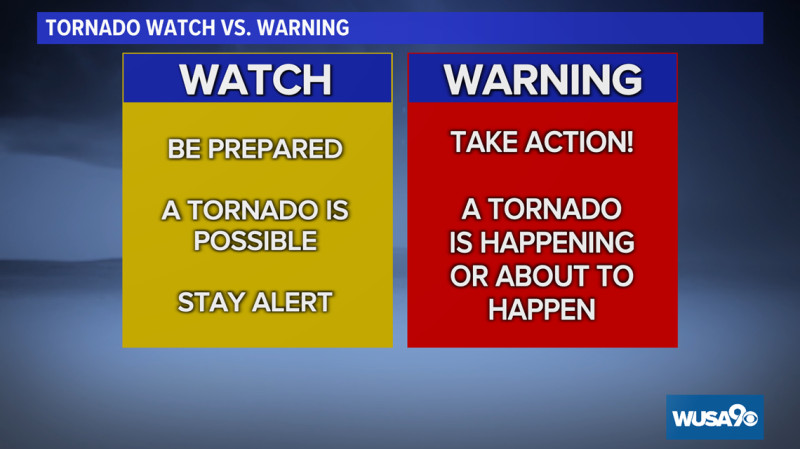
A tornado watch means conditions are favorable for tornadoes to develop in a specific area. The National Weather Service (NWS) often issues these alerts when weather conditions, such as strong winds and unstable air, suggest that tornadoes could form. It is a heads-up to be prepared, not a call to action.
When a tornado watch is issued, residents should review their emergency plans and check their supplies. It’s the time to ensure you know where your safe room is and have a plan to get there quickly. Think of it as a ‘be prepared’ alert.
You might receive a tornado watch alert on your phone or through local news broadcasts, letting you know that you should stay vigilant but go about your activities as usual unless a warning is issued.
However, a tornado watch doesn’t mean immediate danger. It is a time to be ready, not to panic. Gather your emergency kit, check your phone’s weather app to stay updated, and make sure your family knows the drill.
What is a Tornado Warning?
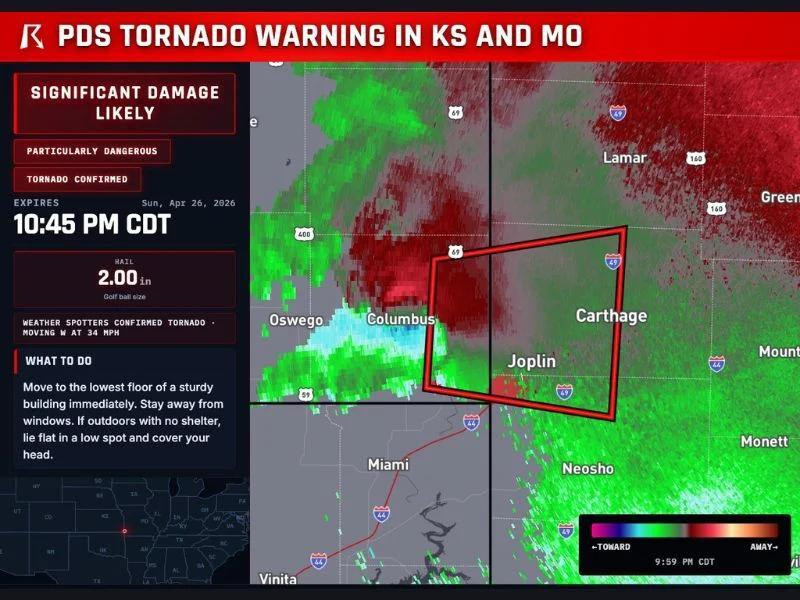
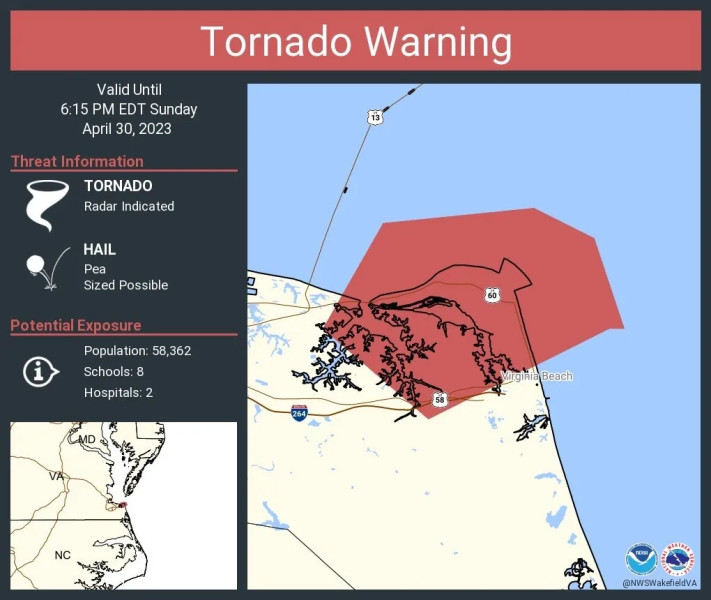
A tornado warning is much more urgent. It means a tornado has been spotted or indicated by weather radar. Immediate action is necessary. Residents must take shelter in their safe rooms or designated storm shelters immediately.
During a tornado warning, the NWS will use every channel possible—TV, radio, weather apps—to alert the public. These alerts are typically issued for specific counties or communities where the danger is imminent. This is the moment to put your emergency plan into action.
These warnings often come with a specific time frame, usually around 30 minutes, but they can be shorter or longer depending on the situation. When you hear a tornado warning, you should not wait to see the tornado—it might be obscured by heavy rain or darkness. Immediately seek shelter, cover your head, and protect your body.
When a tornado warning is issued, think of it as a battle cry. It’s the moment to act decisively to protect yourself and your loved ones. Every second counts, and every precaution matters.
So, what happens next?
So, what happens next? During a tornado watch, you might hear the soft hum of radios or the gentle chime of weather alerts on your phone. This is the calm before the potential storm, the moment to prepare without panic. But what happens if that calm is shattered by a tornado warning?
Imagine the sudden blare of sirens or the urgent tone of a weather app alert cutting through the air. Your heart races as you spring into action, following the emergency plan you meticulously prepared. The difference between a tornado watch and a tornado warning is not just a technicality—it is the line between precaution and urgent action.
Gone. Your quiet home is no longer. The storm has struck, and you find yourself in the eye of it. But you are ready. You have a plan, a safe room, and supplies. You know the difference between a tornado watch and a tornado warning, and it has saved your life.
"Knowing the difference between a tornado watch and a tornado warning is crucial for staying safe during severe weather events. A tornado watch means conditions are favorable for tornadoes to form, while a tornado warning means a tornado has been spotted or indicated by radar. Act accordingly to protect yourself and your loved ones." - National Weather Service
But are you ready? Think again. What happens next? The storm passes, but the threat of another tornado remains. The NWS issues another tornado watch. You sigh, but you are ready. You know the drill. Tornado watch versus tornado warning—it’s a dance of preparedness and action that defines survival in the storm.
How does this story make you feel?
 Up next · HealthFDA's Most Serious Recall Alert: 14 Flavors of Cream Cheese Pulled Over Listeria Concerns