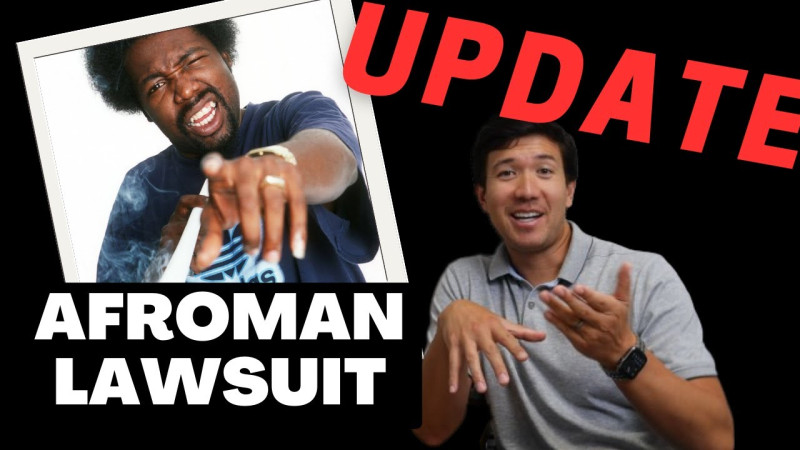
In the annals of music and law, few stories are as captivating as the trial of Joseph "Afroman" Foreman. The rapper is known not just for his music, but for the legal storm that has engulfed him, pitting the rapper against the sheriff's deputies of Adams County in a battle over free speech and the right to tell his story.
Afroman vs. The Deputies: The Case Unfolds
The narrative begins in 2022, when Afroman's home in Winchester, Ohio, was raided by deputies. The incident was captured on surveillance video, which Afroman later used in the music video for his song "Lemon Poundcake".
In 2023, seven Adams County Sheriff's deputies filed a lawsuit against Afroman, alleging that the video defamed them. Afroman, in turn, stood by his right to free speech, arguing that the footage was a fair representation of events, and that he had a right to share his story with the world".
The Trial: Afroman Takes the Stand
The much-anticipated trial began on March 16, 2026, in Adams County. Afroman took the stand on the second day, presenting his case before the jury.
He spoke about his use of the surveillance footage, explaining that the video was a form of artistic expression and not an attempt to defame the deputies. Afroman maintained that he was exercising his freedom of speech by sharing the footage of the raid and the subsequent events, and that this right is protected by the First Amendment.
Expert Opinions: The Implications of the Trial
The trial has sparked conversations about the intersection of law and art. Legal experts have weighed in on the significance of the case, with many arguing that it sets a precedent for the rights of artists to use real-life events in their work.
This case is groundbreaking. It's about more than just a music video; it's about the right of artists to express themselves freely, even when their work is based on real events. If Afroman loses, it could have chilling effects on artistic expression across the country,"said a legal expert.