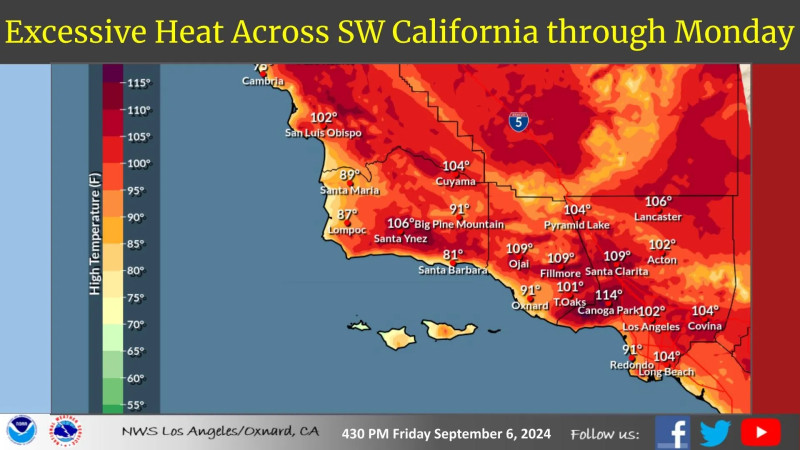
Imagine Southern California in March, where winter’s chill is swapped for a punishing heat wave that feels like a harsh summer. The usually mild coastal regions of Los Angeles and San Francisco are under an extreme heat warning, shattering records and challenging residents to adapt to a climate that appears to have skipped a season.
The Unprecedented March Heat Wave
This March, the Southwest, particularly California, Nevada, and Arizona, finds itself in the grip of a heat wave that pushes temperatures into the 90s and even past 100 degrees Fahrenheit. Los Angeles, typically known for its mild climate, saw temperatures soaring to 98 degrees on Tuesday, breaking records and prompting extreme weather alerts. Meanwhile, the San Francisco Bay Area is experiencing a strange summer-like weather in March, with temperatures climbing into the 80s [1,6,7].
Extreme Heat Alerts
San Francisco is typically known for its mild climate, and Los Angeles is usually pleasant, but the city is facing a dangerous heat wave that puts it into a state of emergency. The National Weather Service has issued extreme heat warnings for Southern California, with temperatures expected to soar past 100 degrees in some areas. The warnings emphasize the need to limit strenuous outdoor activities, stay hydrated, and seek air-conditioned spaces to avoid heat-related illnesses, especially for vulnerable populations. Officials have opened cooling centers and urged the public to check on elderly neighbors and loved ones [3,6,10].
Record-Breaking Temperatures
This heat wave has resulted in hundreds of record highs and record warm lows, with several locations across Southern California breaking both their all-time March high temperature record and their daily record high. The city of Indio, located in Riverside County, saw temperatures climb to 111 degrees [4,8]. The National Weather Service predicts that the heat will persist through Friday, with some areas in the South Eastern deserts potentially reaching 110 degrees Fahrenheit [3,8].
As we move through an unseasonably hot March, the question remains: what does this portend for the rest of the year? Is this heat wave a harbinger of more extreme weather patterns to come? Will Southern California’s residents and infrastructure be able to adapt to these new norms?