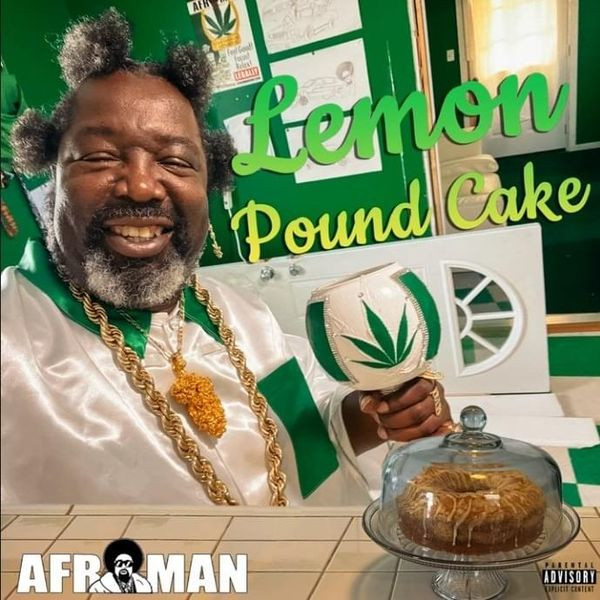
Rapper Afroman has catapulted back into the spotlight, not for his music but for a high-stakes battle over his infamous Lemon Pound Cake music video. The Grammy-nominated artist found himself at the center of a heated defamation lawsuit filed by seven Ohio sheriff's deputies, who alleged that his music video, featuring footage of a 2022 raid on his home, defamed them.
Afroman’s Legal Battle: The Background
The saga began when Afroman released his Lemon Pound Cake video, which mocked the Ohio deputies involved in the raid on his home. The deputies, who were part of the Hamilton County Sheriff's Office, claimed that the video invaded their privacy and defamed them, leading to a multimillion-dollar lawsuit. Afroman, however, argued that his actions were protected under free speech, and the ensuing court case quickly became a test of the limits of artistic expression versus defamation.
The Verdict: Afroman’s Victory in Adams County, Ohio
In a decisive turn of events, a jury in Adams County, Ohio, sided with Afroman, marking a significant victory for the rapper and a potential precedent for future cases involving free speech and artistic expression. The verdict, delivered on Wednesday, ended the case in Afroman's favor, as the jury rejected the deputies' claims of defamation and invasion of privacy. This legal triumph marks a pivotal moment for Afroman, who has long been known for his controversial and provocative music.
The Impact: Free Speech vs. Defamation
While Afroman's victory is a resounding win for the rapper, it also raises critical questions about the boundaries of free speech, especially when it collides with claims of defamation. The case highlights the delicate balance between artistic expression and the right to privacy, particularly when public figures are involved. Let's not kid ourselves—the data is damning when it comes to the potential chilling effect such lawsuits can have on artists. As one legal expert noted, "This verdict sends a clear message that satire and parody, even if they poke fun at public officials, are protected under the First Amendment."
One counter-argument is that the deputies' claims of defamation and invasion of privacy were not entirely unfounded. The music video, while satirical, did use footage of the raid, which some argue could be seen as a violation of privacy. However, Afroman’s lawyer successfully argued that the video was a form of artistic expression protected by free speech. This defense ultimately prevailed, setting a precedent that could influence future cases involving similar circumstances.
Here’s what nobody’s asking: if Afroman’s victory is hailed as a win for free speech, what does this mean for the future of public figures who are the subject of satirical content? Will this verdict encourage more artists to push the boundaries of satire, or will it lead to a surge in defamation lawsuits from public officials who feel their reputations have been tarnished?
As Afroman walks away from this legal battle with a major victory, the Lemon Pound Cake saga serves as a reminder that the intersection of free speech and defamation is a complex and evolving landscape. It is a landscape where artists and public figures alike must navigate the fine line between creative expression and legal accountability. What’s next for Afroman and the legacy of the Lemon Pound Cake music video? Will other cases follow suit, or will this remain a unique chapter in the ongoing debate over artistic freedom and defamation? Only time will tell.