The bombing of Pearl Harbor on December 7, 1941, marked a turning point in global history, catapulting the United States into World War II. Eighty-five years later, the legacy of that day continues to resonate, shaping international relations and strategic alliances. Today, as the world watches the geopolitical dynamics unfold, the significance of Pearl Harbor remains a focal point, especially in the context of Japan-U.S. relations under the current leadership.
Pearl Harbor: The Attack and Its Aftermath
On that fateful Sunday morning, the surprise Pearl Harbor attack by the Imperial Japanese Navy's air service resulted in significant loss of life and extensive damage to the U.S. Pacific Fleet. The devastation was swift and devastating, with more than 2,400 Americans killed and thousands wounded, and numerous ships and aircraft destroyed or damaged. This attack, perceived as a treacherous act, galvanized the United States, leading to its formal entry into World War II the following day. The Pearl Harbor attack is often cited as a defining moment in U.S. history, illustrating the nation's resolve and resilience in the face of adversity .
The historical significance of Pearl Harbor extends beyond the immediate aftermath of the attack. It symbolizes a pivotal shift in U.S. foreign policy, from a stance of isolationism to one of active international engagement. It also marked the beginning of a long and complex relationship between the United States and Japan, evolving from bitter enemies to close allies over the decades. The Pearl Harbor attack, thus, serves as a critical reminder of the consequences of war and the importance of diplomatic efforts in maintaining peace and stability.
Trump and Japan: A Complex Dance of Diplomacy and Politics
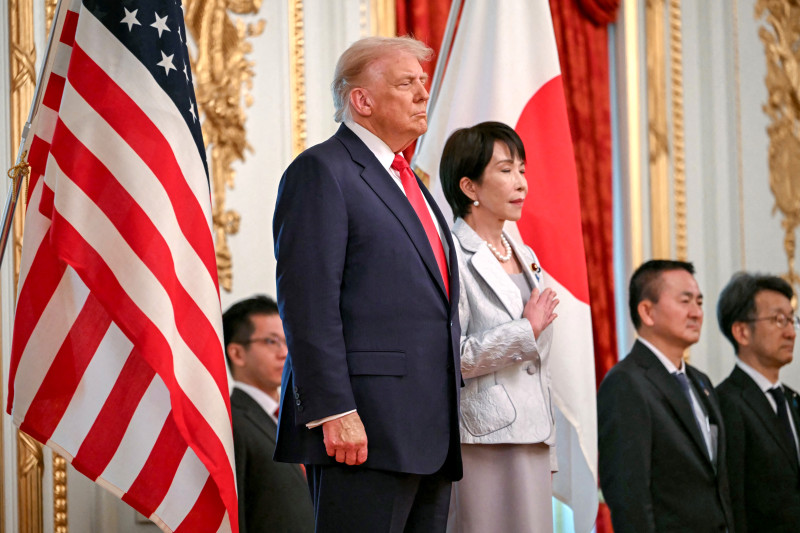
Fast forward to the present day, where the relationship between Japan and the United States continues to be a linchpin of global geopolitics. The strategic alliance between the two nations has been tested and strengthened over the years, but the dynamics have shifted with the election of Sanae Takaichi as Japan’s first female Prime Minister. This move has significant implications, especially as it coincides with a period of heightened geopolitical tensions. Japan's first-ever female prime minister, Sanae Takaichi, is a conservative with a traditional view of gender roles and a penchant for heavy metal music. Prime Minister Sanae Takaichi is the first leader of a major U.S. ally to meet with Trump since he demanded that Japan and other nations help protect the Strait of Hormuz. This meeting was particularly significant, as it marked a pivotal moment in international diplomacy, bringing together two powerful leaders with divergent views on global security and economic policies.
President Trump's approach to international relations, characterized by a mix of protectionism and unilateralism, has often put strain on traditional alliances. However, Japan, under the leadership of Sanae Takaichi, has navigated these challenges with a blend of pragmatism and traditional diplomacy. For instance, Trump's demand for Japan to increase its military spending and contribute more to global security efforts has been met with a measured response from Takaichi, emphasizing the importance of mutual respect and shared goals in maintaining the alliance.
Here's what nobody's asking: How will Japan's new leadership under Takaichi influence the long-standing alliance with the United States, and what role will historical events like Pearl Harbor play in shaping future diplomatic strategies? Despite the complexities, one thing is clear: the legacy of Pearl Harbor continues to be a powerful reminder of the delicate balance between alliance and autonomy in modern geopolitics.
The Future of Japan-U.S. Relations in the Shadow of Pearl Harbor
Looking ahead, the future of Japan-U.S. relations will likely be shaped by a combination of historical lessons and contemporary realities. The legacy of Pearl Harbor, with its lessons of resilience and the importance of diplomacy, will undoubtedly remain a guiding light. For example, the meeting between President Trump and Prime Minister Sanae Takaichi highlighted the ongoing need for dialogue and cooperation, despite differences in policy and ideology . The two leaders discussed a range of issues, including trade, security, and global stability, underscoring the enduring importance of the U.S.-Japan alliance. Let's not kid ourselves, the road ahead is fraught with challenges, but the spirit of Pearl Harbor reminds us of the importance of unity and determination in overcoming them.
Additionally, the historical context of Pearl Harbor serves as a stark reminder of the horrors of war and the importance of diplomacy in preventing future conflicts. The legacy of Pearl Harbor is not just about the past; it is a living testament to the resilience of nations and the enduring power of alliances. As Japan and the United States navigate the complexities of the 21st century, the lessons of Pearl Harbor will continue to guide their actions, ensuring that the mistakes of the past are not repeated.
In the evolving landscape of international relations, the themes of alliance, resilience, and diplomacy remain as pertinent as ever. The legacy of Pearl Harbor, intertwined with the current geopolitical dynamics, will continue to shape the future of Japan-U.S. relations, ensuring that the lessons of the past are not forgotten.
Under Prime Minister Sanae Takaichi, Japan and the United States, Pearl Harbor will remain a powerful symbol, reminding both nations of the need for vigilance, cooperation, and a shared commitment to peace and stability.