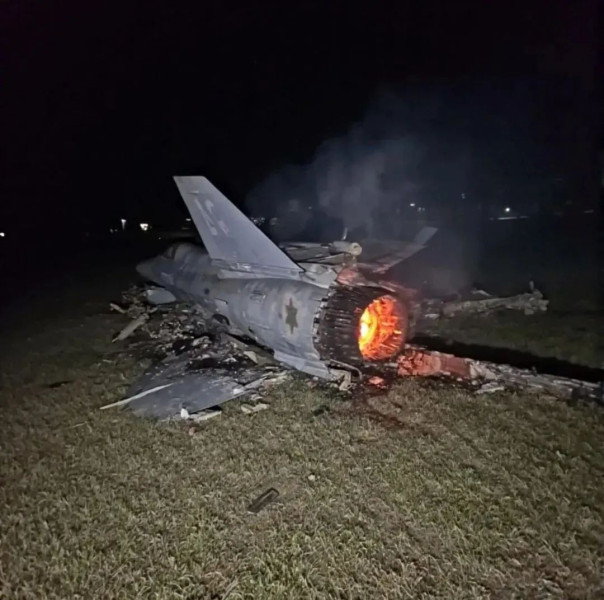
The F-35 Lightning II roared through the skies, its stealth design a whisper against the clouds. Suddenly, an explosion rips through the air, and the jet's nose plummets. The world's most advanced fighter jet, downed by suspected Iranian fire.
An Unprecedented Emergency Landing
On March 19, 2026, a US F-35 fighter jet made an emergency landing at a US air base in the Middle East. The jet was struck by what is believed to be Iranian fire, forcing the pilot to abort the mission and land immediately. This incident is the first time that Iran has hit one of the US$100 million planes since the conflict began. The stealth fighter, known for its advanced technology and maneuverability, was caught in a combat scenario that raised eyebrows and redefined the boundaries of modern warfare.
The Iranian Connection: Separating Fact from Fiction
Iran's military released footage claiming they shot down the F-35. The Iranian Revolutionary Guard Corps (IRGC) took responsibility for this event, which has added tension to an already volatile region. If confirmed, this would mark the first instance of Iran striking a US aircraft since the conflict began in February. The IRGC's claim has caused a ripple effect, with analysts and military experts debating the credibility of the footage.
The incident comes at a time when the region is already on edge due to the ongoing conflict. In the past month, three American F-15E fighter jets were mistakenly shot down by Kuwaiti air defenses during a separate incident. This error highlights the complex and chaotic nature of modern warfare, where friendly fire can occur even with advanced technology.
Beyond the F-35 emergency landing, there have been other significant events. In a notable incident, an Israeli F-35I Adir shot down an Iranian Air Force YAK-130 fighter jet on March 4, 2026. This marked the first manned combat kill for the Israeli variant of the F-35, showcasing the aircraft's capability in real combat scenarios.
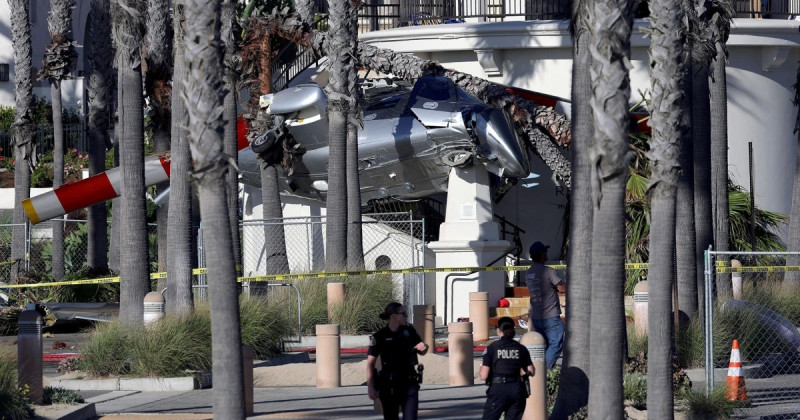
Meanwhile, a KC-135 Stratotanker crashed in western Iraq last week. The cause of the crash remains unclear, though the US military stated it was "not due to hostile fire or friendly fire".
In a striking turn of events, the tension between Iran and the US escalates. On the third day of the war, the U.S. military confirmed that three F-15 jets were mistakenly shot down by Kuwaiti air defenses, raising questions about the overall effectiveness of modern military systems and strategies.
What Does the Future Hold for the F-35?
The emergency landing of the F-35 raises a crucial question: How vulnerable are these advanced fighter jets in modern combat scenarios? The incident forces a reevaluation of the aircraft's perceived invincibility, especially in regions where sophisticated air defenses and anti-aircraft systems are prevalent. If the F-35 can be struck, what does this mean for future engagements?
Think again. The F-35 is known for its stealth technology, advanced sensors, and unparalleled situational awareness. However, the incident over Iran underscores the reality that no aircraft, regardless of its technological prowess, is immune to the unpredictability of warfare. The F-35 jet, forced to make an emergency landing, stands as a testament to this harsh truth.
As tensions escalate, the F-35 continues to play a critical role in modern military strategy. Its stealth capabilities and advanced technology make it a formidable weapon in the arsenal of any nation that possesses it. However, the recent events remind us that the F-35 is more than just a machine; it is a reflection of the human element in warfare.
The F-35 jet streaks across the sky, a symbol of modern warfare's relentless evolution. But one question lingers: Will the next encounter be as unexpected, and just as explosive, as the first?