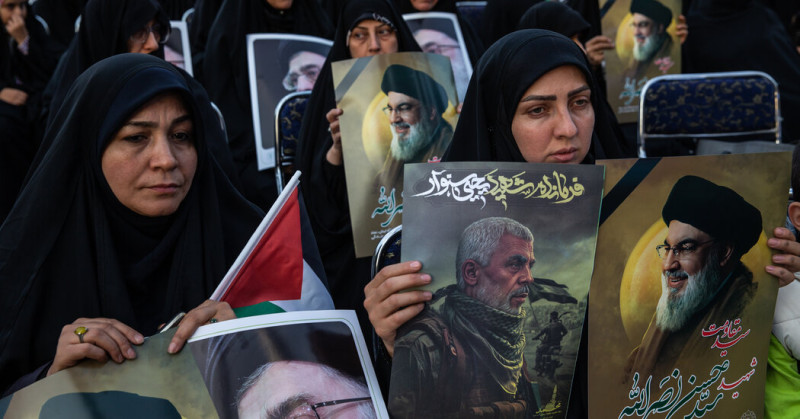
In the early hours of today, Iran launched a series of coordinated missile strikes against Israeli targets, marking a dramatic escalation in the ongoing conflict between the two nations. The world watched with bated breath as the SP500 futures took a hit, reflecting the broader economic implications of the Middle East tensions.
Assessing the Immediate Impact on Global Markets
As the news broke of the Iranian retaliation, the global markets reacted swiftly. The SP500 futures dipped sharply, with investors scrambling to mitigate potential risks. The uncertainty surrounding the conflict has caused a ripple effect, impacting not just financial indices but also the stability of oil markets. Iran's threat to close the Strait of Hormuz in retaliation for potential U.S. strikes adds another layer of volatility, sending shockwaves through the energy sector.
Military Maneuvers and Diplomatic Tensions
The latest Israeli strike, which targeted a major Iranian gas field, has raised the stakes in the ongoing conflict. The tit-for-tat attacks in the Persian Gulf have left the region on edge, with the U.S. closely monitoring the situation. The Trump administration, already embroiled in tense discussions with Tehran, is weighing its next steps. President Trump's recent threats to "obliterate" Iran's power plants if the Strait of Hormuz isn't reopened have escalated the rhetoric, adding fuel to the fire.
— The Israeli government, in response to the Iranian attacks, has vowed to defend its borders at all costs. The ongoing conflict, which has roots in the broader regional tensions, now involves direct military engagements between Iran and Israel. This has raised concerns about a wider conflict, drawing in other regional powers and potentially the U.S., a close ally of Israel.
— In a recent statement, an unnamed Trump administration official emphasized the need for a measured response, stating, "We are closely monitoring the situation and are prepared to take all necessary actions to ensure the safety of our allies and interests in the region." This comes as Iran continues to bolster its defense capabilities in response to perceived threats from the U.S. and Israel.
The military maneuvers in the region reflect the broader geopolitical tensions at play. The conflict has involved multiple actors, including Iranian-backed militant groups, who have been actively engaged in the conflict with Israel. This complex web of alliances and enmities has made the situation more volatile, with the potential for further escalation if diplomatic efforts fail. — The ongoing conflict between Iran and Israel has drawn in other regional powers, including Saudi Arabia and Turkey, each with their own stakes in the outcome. These tensions have the potential to destabilize the broader region, with far-reaching implications for global security and economic stability.
The Ripple Effects on Oil and Natural Gas Prices
The recent escalation in the conflict has sent oil and natural gas prices soaring. The tit-for-tat attacks in the Persian Gulf have disrupted supply chains, causing a surge in energy prices. The instability in the region has also raised concerns about the potential disruption of oil supplies through the Strait of Hormuz, a critical waterway for global energy trade. — The ongoing conflict has not only impacted energy prices but also the broader economic stability of the region. The uncertainty and volatility in the markets have led to a flight of capital, as investors seek safer havens for their investments. This has had a ripple effect on global markets, with the SP500 futures and other financial indices reflecting the broader economic impacts of the conflict.
The potential closure of the Strait of Hormuz by Iran in response to U.S. threats has added another layer of uncertainty to the energy markets. The Strait of Hormuz is a critical chokepoint for global oil supplies, with a significant portion of the world's oil passing through this narrow waterway. Any disruption in the flow of oil through the Strait of Hormuz would have far-reaching implications for global energy markets, potentially leading to a significant spike in oil prices and disruption in supply chains.
The recent escalation in the conflict has underscored the need for a diplomatic resolution to the crisis. The ongoing military engagements between Iran and Israel have raised the stakes, with the potential for further escalation if diplomatic efforts fail. The international community, including the United Nations and other regional powers, has called for restraint and dialogue to resolve the crisis peacefully. — The international community, including the United Nations and other regional powers, has called for restraint and dialogue to resolve the crisis peacefully. The ongoing conflict has highlighted the need for a comprehensive and inclusive approach to address the underlying issues driving the conflict. The international community must work together to find a lasting solution to the crisis, one that addresses the concerns and aspirations of all parties involved.
In the fluorescent glare of the briefing room, the hum of phones buzzing in pockets, and the tense murmur of analysts discussing the latest developments, one thing is clear: the conflict between Iran, Israel, and the broader regional powers shows no signs of abating. The next moves by all parties will determine the trajectory of the conflict and its implications for global stability and economic health. As the world watches and waits, the stakes remain high, with the potential for further escalation and disruption if diplomacy fails.