U.S. Insolvency: The Unseen Fiscal Crisis
Imagine a vast, intricate ship, its hull breached, slowly sinking beneath the waves. This isn't some fictional disaster; it's a metaphor for the U.S. Treasury's recent revelation. The United States is insolvent, a term that rarely surfaces in mainstream media, let alone grabs headlines on a turbulent fiscal sea.
The Quiet Crisis: Understanding U.S. Insolvency
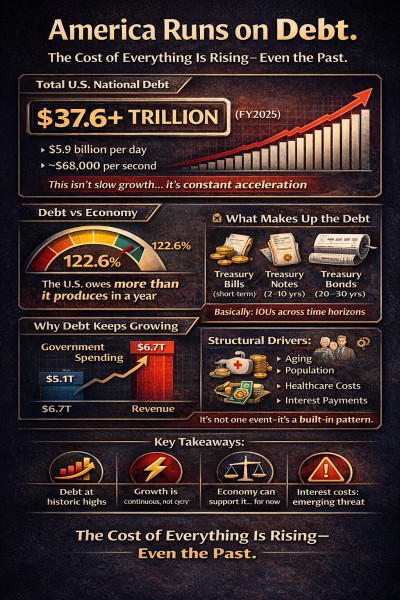
The U.S. government's insolvency is not a dramatic collapse, but a quiet, creeping reality. The U.S. Treasury’s financial statements for 2025 confirm that the government's promises far outstrip its assets and tax base. The term insolvency itself carries a nuanced meaning; it indicates that the fiscal adjustment required to stabilize the sovereign debt exceeds the combined fiscal, monetary, and political capacity of the governing system. This isn't bankruptcy, but a slow-moving fiscal quagmire that's been compounding with each budget cycle.
The pain points are immediate and widespread. Social Security obligations alone are a staggering burden, reflecting a future promise that the current system can't fulfill. To put it bluntly, the U.S. is in a state of insoluble insolvency, a term coined to describe a situation where the required fiscal adjustment is beyond the system's capacity to manage. This revelation has far-reaching implications, especially for bond markets, where bond traders, bank executives, and corporate treasurers have long been aware of this fiscal imbalance.
Insolvent Nation: The Implications and Responses
What does this mean for the average American? Every day, communities and officials grapple with the human consequences of a balance sheet this far out of alignment. The United States Postal Service (USPS) stands as a stark example, sounding the alarm on its 2027 insolvency risk. The USPS predicts that without congressional intervention, it will exhaust its operating cash by 2027, leaving a crucial public service on the brink.
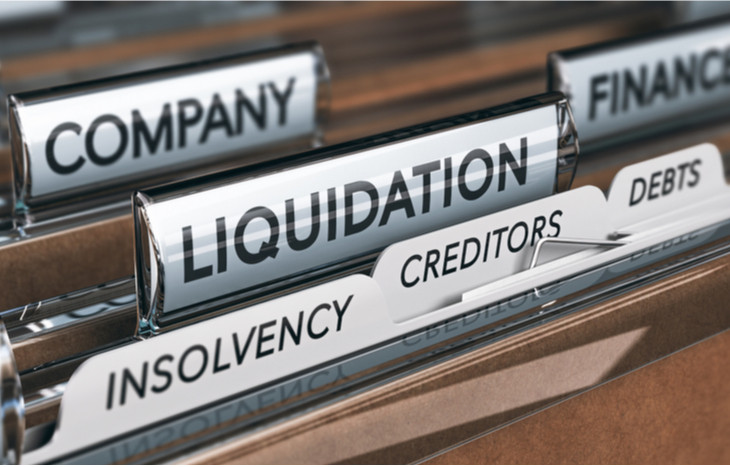
Legal definitions of insolvency are complex and situational. For instance, a troubled company becomes insolvent when it can't repay its creditors on time, often leading to a bankruptcy filing. But for the U.S. government, the situation is more nuanced. The public is left to adjust to a reality where the government's fiscal trajectory is a ticking clock. Understanding the true meaning of insolvency in this context is crucial. It's not just about the inability to pay debts but about the systemic inability to align future obligations with current capabilities.
Legislative solutions are urgently needed, but the road ahead is fraught with challenges. The fiscal crisis isn't a headline-grabbing event; it's a slow-moving disaster that's been creeping up on us for years. This quiet ledger of insolvency leaves communities and officials to ponder the human impact, the ripple effects of a balance sheet this far out of alignment.
The Quiet Crisis: The Next Step
The phrase insolvency isn't just a financial term; it's a national conversation. How do we tackle a fiscal crisis that's been quietly unfolding for years, affecting everything from Social Security to postal services? The answers aren't straightforward, but understanding the gravity of the situation is the first step. What legislative solutions could address the fiscal crisis? How do we begin to stabilize a ship that's already taking on water? It's a question that haunts policymakers and citizens alike, as the insolvency of the United States looms over our future.
How does this story make you feel?
 Up next · BusinessLive Nation's Monumental Push in the Concert Economy