NASA's Ambitious $20 Billion Moon Base
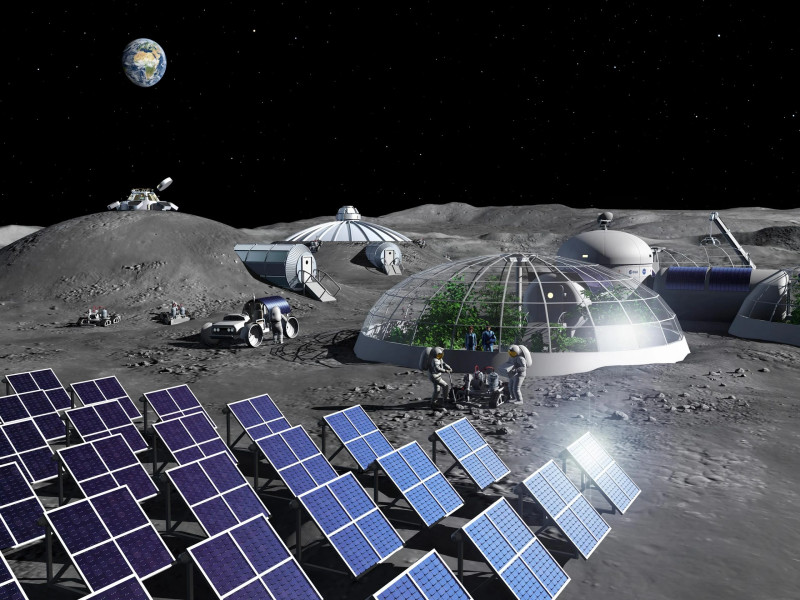
NASA has announced an unprecedented investment of $20 billion to construct a permanent moon base by 2033. This audacious venture, part of the ongoing Artemis program, aims to return American astronauts to the lunar surface and establish sustainable human presence on the moon. The moon base will be developed over seven years, with the first launch, Artemis II, scheduled for April 1, 2026.
NASA's New Roadmap and Moon Base Priorities
The latest strategy shift by NASA prioritizes lunar surface bases over the previously planned Lunar Gateway space station. By redirecting resources, NASA aims to construct a sophisticated base on the moon's surface, facilitating long-term human habitation and research. This reallocation of funds and resources highlights NASA's commitment to a more hands-on approach to lunar exploration and habitation, emphasizing scientific discovery and resource utilization. The new base will likely feature advanced technology, including nuclear reactors for energy, essential for sustaining human life in the harsh lunar environment.
NASA’s decision to cancel the Lunar Gateway space station underscores the agency’s shift in priorities. The components initially intended for the Gateway will be repurposed for the new moon base project, ensuring efficient use of resources and technology.
The Artemis Timeline and the Next Milestones
The Artemis program is at the heart of NASA's lunar ambitions. With Artemis II slated for launch on April 1, 2026, the mission will carry four astronauts on a journey around the moon, testing the Space Launch System (SLS) rocket and Orion spacecraft. The following year, Artemis III will attempt the first human landing on the lunar surface since 1972, marking a pivotal moment in space exploration.
The moon base project will accelerate in the coming years, with NASA targeting 2028 for the first lunar landing as part of the Artemis program. The development of the base will involve multiple launch missions, each contributing essential components and supplies to support human habitation and research.
Competition and Collaboration in Lunar Exploration
While NASA makes strides with its Artemis program, international space agencies and private companies are also eyeing the moon. China, for instance, plans to land astronauts on the lunar surface by 2030, intensifying the global competition for lunar exploration. Meanwhile, private companies like SpaceX are collaborating with NASA on key missions, contributing to the development of lunar landers and other critical technologies.
The moon base initiative is poised to foster collaboration and competition, driving technological advancements and scientific discoveries. This venture underscores the critical role of international cooperation and private enterprise in pushing the boundaries of space exploration, ensuring that the 21st century becomes the era of lunar habitation.
"The moon base is a game-changer. It's not just about setting foot on the lunar surface; it's about establishing a permanent presence and using it as a stepping stone for deeper space exploration," says Dr. Lisa Sims, a leading expert in space habitation at NASA, emphasizing the strategic significance of the moon base and the Artemis program.
With NASA’s $20 billion investment, the moon base initiative propels the Artemis program further, aiming to return American astronauts to the lunar surface by 2028 and establish a sustainable human presence on the moon. The next seven years will witness unprecedented developments in lunar exploration, driven by an international collaboration and a relentless pursuit of scientific discovery.
How does this story make you feel?
 Up next · ScienceNASA's Moon Base: From Blueprint to Lunar Reality