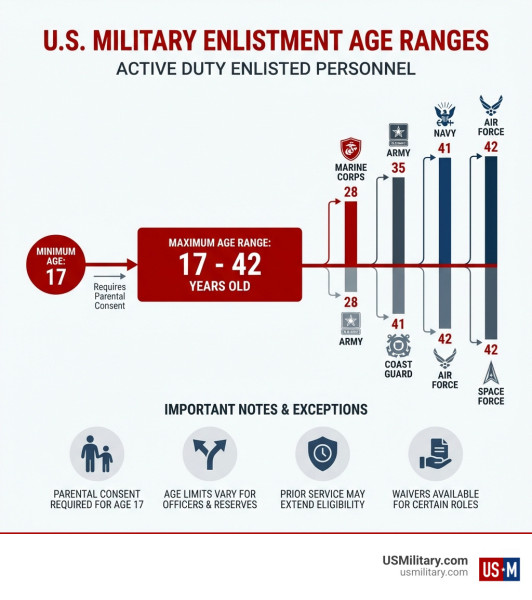
The Army’s recent decision to raise the maximum army enlistment age to 42 has ignited a wave of speculation and reflection on the future of military service. This significant change, effective April 20, 2026, may transform the demographic makeup of the armed forces and influence societal attitudes toward military service.
The Strategic Shift in Army Enlistment Age
The Army’s decision to raise the enlistment age is a strategic move aimed at addressing several critical needs. The ongoing conflict in Iran and the looming threat of a military draft have underscored the necessity for a larger, more diverse pool of recruits. By extending the age limit, the Army can tap into a broader talent pool, including individuals with specialized skills and prior military experience.
This change aligns the Army’s policies with other branches, such as the Air Force and Coast Guard, which also allow enlistment up to age 42. The move is part of a broader effort to modernize the Army’s recruitment practices, making them more flexible and inclusive.
The Impact on Recruitment and Retention
Raising the army enlistment age is expected to have a profound impact on both recruitment and retention. Older recruits bring a wealth of experiences and skills that can be invaluable to the military. For instance, individuals with prior military service or specialized training can fill critical roles more efficiently, reducing the need for extensive training programs.
Moreover, the new policy could attract a more mature and committed cohort of soldiers. Older recruits may have a clearer sense of purpose and be more resilient in the face of the challenges of military life, potentially enhancing retention rates. However, there are concerns about the physical and mental demands of military service on older individuals, which the Army will need to address through tailored training and support programs.
The Broader Implications for Society and the Military
The decision to raise the army enlistment age reflects a broader shift in societal attitudes toward military service. As the conflicts in Iran and other regions intensify, there is growing awareness of the need for a robust and adaptable military force. The Army’s move to increase the age limit is a recognition of the changing demographics and the need for a flexible recruitment policy.
This policy change also highlights the evolving nature of military service in the 21st century. As technology and warfare tactics advance, the military’s needs for specialized skills and diverse backgrounds become more pronounced. The Army’s decision to raise the age limit is a proactive step toward ensuring that it can meet these demands, and to continue to remain strong and prepared for the diverse challenges of the modern battlefield.
The Army’s decision to raise the maximum enlistment age is a bold move that reflects the evolving needs of the military and society. It opens up new opportunities for those who may have previously been excluded from service, while also addressing critical manpower needs
The army enlistment age change raises the crucial question of the role of aging soldiers in the modern military, and how to best leverage the skills and experience they bring.