The Cicada Variant Spreads: The Latest COVID-19 Threat in 2026
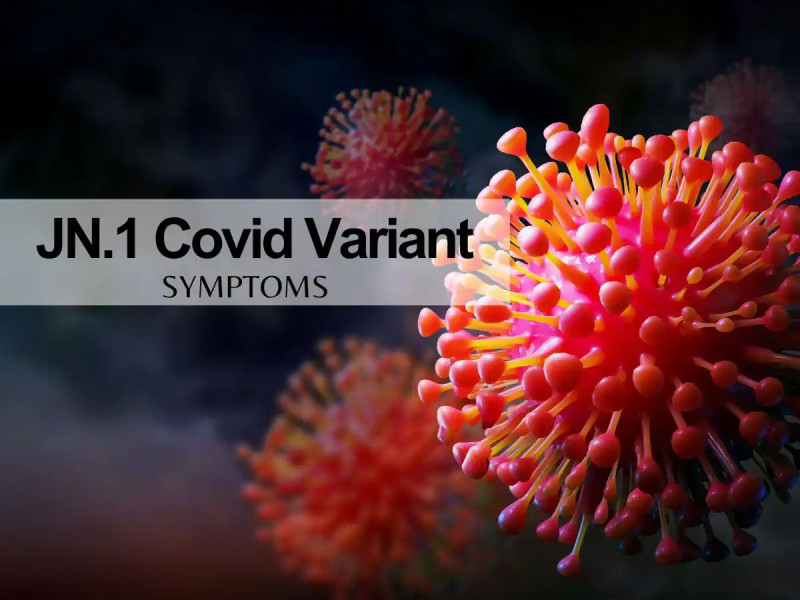
The Cicada variant, a heavily mutated subvariant of COVID-19, is spreading rapidly across the United States, raising new concerns about vaccine effectiveness and symptoms. Detected in at least 25 states, the BA.3.2 variant, as it is officially known, is causing a stir among health experts and the public alike. The scattering of this new strain across the country prompts questions about its potential impact on public health and whether the current vaccines will hold up against it. The COVID-19 cicada variant is not just a new strain; it is a challenge to the resilience of our healthcare system and the efficacy of our current pandemic response.
The Cicada Variant: What Makes It Unique?
What sets the Cicada variant apart is its high number of mutations, particularly in the spike protein, which plays a crucial role in how the virus enters human cells. These mutations may allow the virus to evade the body's immune response, making it less susceptible to the protection offered by existing vaccines and past infections. The BA.3.2 variant, or Cicada, is a subvariant of Omicron, the highly contagious strain that swept the world in 2021 and 2022. What makes this particular subvariant stand out is the sheer volume of mutations, significantly more than its predecessors, which may explain its rapid spread across the country.
Understanding the Symptoms: What to Expect from the Cicada Variant
While the COVID-19 cicada variant symptoms are similar to those of previous strains, there are some nuances that may set it apart. Common symptoms include fever, cough, and fatigue, but some reports suggest that gastrointestinal issues, such as nausea and diarrhea, may be more prevalent in Cicada infections. Think again about the often-overlooked impact of gastrointestinal discomfort, which can be as debilitating as the more well-known respiratory symptoms. The severity of the illness, however, appears to be similar to that of other Omicron subvariants, which is generally milder compared to the Delta variant that caused significant hospitalizations and deaths.
Vaccine Effectiveness: Can Our Current Defenses Hold Up?
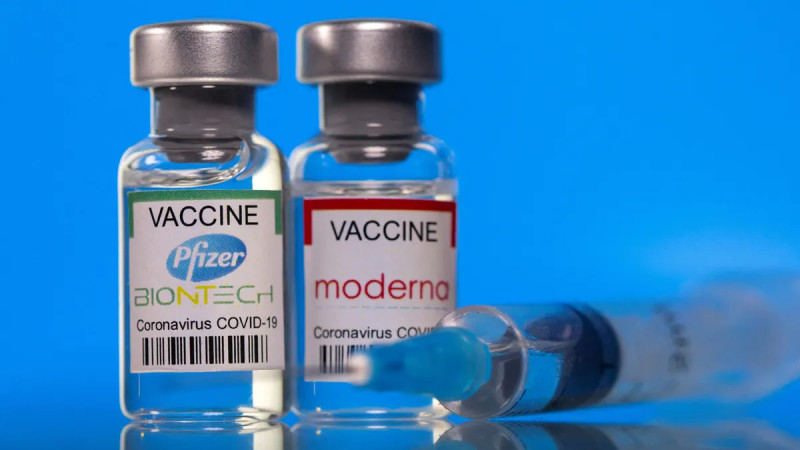
One of the most pressing questions surrounding the Cicada variant is how well our current vaccines will protect against it. The high number of mutations in the spike protein raises concerns about immune escape, where the virus can evade the body's immune response, making vaccines less effective. Preliminary data suggest that while the current vaccines may offer some protection, their effectiveness against the Cicada variant is reduced compared to other strains. This means that even those who have been fully vaccinated or have had prior infections may still be at risk of contracting the virus. Gone. The reassuring notion that past immunity provides a secure shield against future infections. Experts are urging the public to stay vigilant and consider booster shots, which may offer enhanced protection against the new variant. Why not everyone is rushing to get their booster shots? Perhaps because the Covid-19 cicada variant symptoms seem less severe. However, this may be a dangerous misconception. Even if the symptoms are milder, the risk of long-term effects and the potential for the virus to mutate further into more dangerous forms cannot be ignored.
The Cicada variant is a stark reminder that the COVID-19 pandemic is far from over. With its rapid spread and potential to evade existing defenses, it poses a significant challenge to our public health systems. The situation underscores the importance of staying vigilant, following public health guidelines, and keeping up with the latest developments in vaccine effectiveness. Stay informed, stay safe, and never underestimate the unpredictable nature of this virus. The future of our pandemic response depends on our collective awareness and preparedness, yet we are still grappling with the ripples of uncertainty that the Cicada variant brings.
How does this story make you feel?
 Up next · HealthOlivia Munn: The Unseen Struggle of a Breast Cancer Warrior